

Chilean Fjords (scenic cruising) / Chile
The southwestern coast of Chile is lined with countless fjords and channels that stretch from the southernmost tip of the country, Cape Horn, to the mouth of the Reloncaví River. Some of the large fjords are important maritime routes that provide access to Chilean ports, including Punta Arenas, Puerto Chacabuco, and Puerto Natales.
Before Europeans arrived in the area, it was inhabited by tribes of indigenous Patagonian people. The first colonizers were the Spanish, and at the end of the 18th century, explorers from Peru, led by José de Moraleda, began exploring the channels, with exploration continuing into the following century.
Chilean fjords and channels are often used by ships as a good alternative to the open Pacific Ocean, which in this area is often synonymous with rough seas and unfavorable weather.
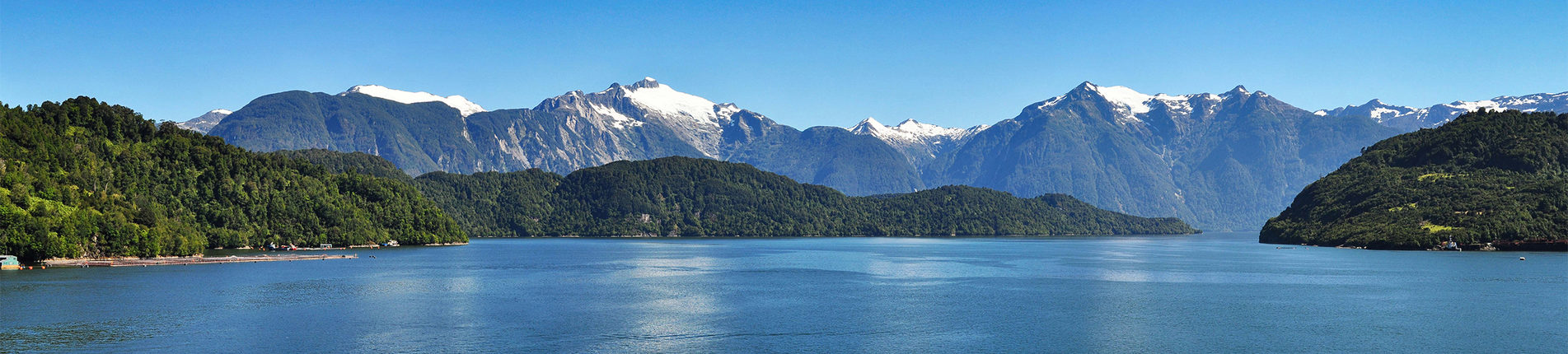
The fjord coastline is dramatic and rugged, with mountains rising steeply from the sea level to the sky. At first glance, the inhospitable beaches are home to many species of marine animals, attracting tourists eager to observe them. Native to the area are Magellanic penguins, and the region is also teeming with elephant seals and dolphins, with several species of whales visible on their regular migration routes.
From the ridges of mountains covered with eternal snow, majestic glaciers descend to the sea level, and the area is protected by several national parks, offering countless treks through breathtaking nature for those who enjoy active leisure.
Rapidly retreating glaciers are a good reason not to delay visiting the Chilean Channels area for too long. The aptly named Glacier Alley is lined with a series of enormous glaciers cascading from the peaks of the Darwin Mountains to the sea. A boat ride around the loudly calving icebergs is an unforgettable experience.
Tierra del Fuego in southern Chile will forever be associated with the significant naturalist and father of the theory of evolution, Charles Darwin. Darwin sailed into Wulaia Bay in Tierra del Fuego in the 1830s, and today it is possible to visit an old radio station that hosts an interesting museum.
At Cape Horn, the southernmost tip of Hornos Island, often dubbed the "end of the world," the Pacific and Atlantic Oceans meet. The dramatic nature is protected by Cape Horn National Park, the southernmost national park in the world, listed as a UNESCO World Heritage Site, and should not be missed by anyone deciding to visit the Chilean fjords area.
Places Worth Seeing
Glacier Alley – Be enchanted by the majestic glaciers cascading from the peaks of the Darwin Mountains to the sea level.
Wulaia Bay – Visit the former radio station, now home to a museum dedicated to Charles Darwin, who sailed into the bay in the first half of the 19th century.
Tucker Islets – Observe the enormous colony of four thousand Magellanic penguins, native to the Chilean fjords area.
Cape Horn National Park – Admire the stunning natural scenery of the national park at the "end of the world."
Places worth seeing:

Pohled na Chilské Fjordy, Chile

Chilské fjordy s horami, Chile