

Cruises for beginners
ON BOARD, or what to expect from a cruise
Perhaps it has already crossed your mind on one of your seaside trips: you are heading to a single place to spend your holiday, yet there are so many interesting destinations all around that would be worth a visit! But how do you get to them without tiring transfers or expensive flights? We have the solution: cruises combine visits to fascinating places with the comfort of a luxurious cruise ship. There is a truly unique atmosphere on board that you will remember for a long time to come.
Cruises have recently become a sought-after way to spend a holiday. But they are about much more than just sailing from one port to another, exploring an interesting city the next day and then sailing on again. The real experience is the cruise itself and everything that goes with it: from the fantastic view from your cabin and superb cuisine to, say, an acrobatic show.
To enjoy your cruise to the full, prepare for it well.
How to get to the port?
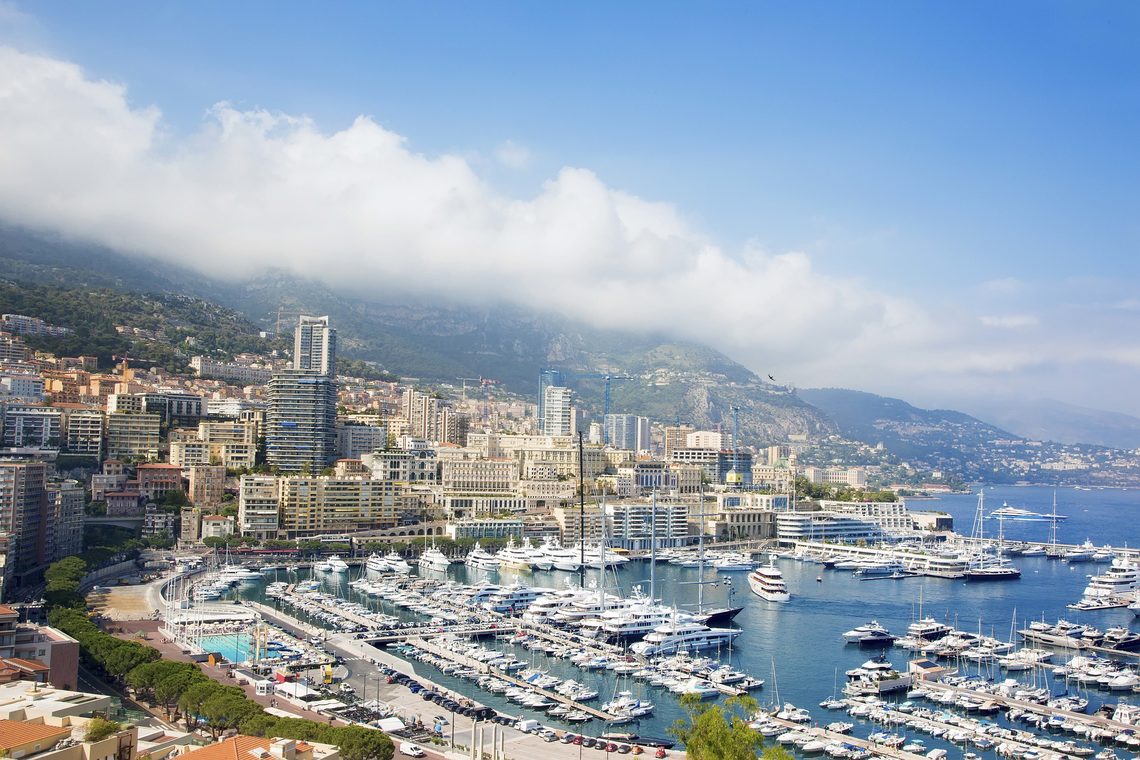
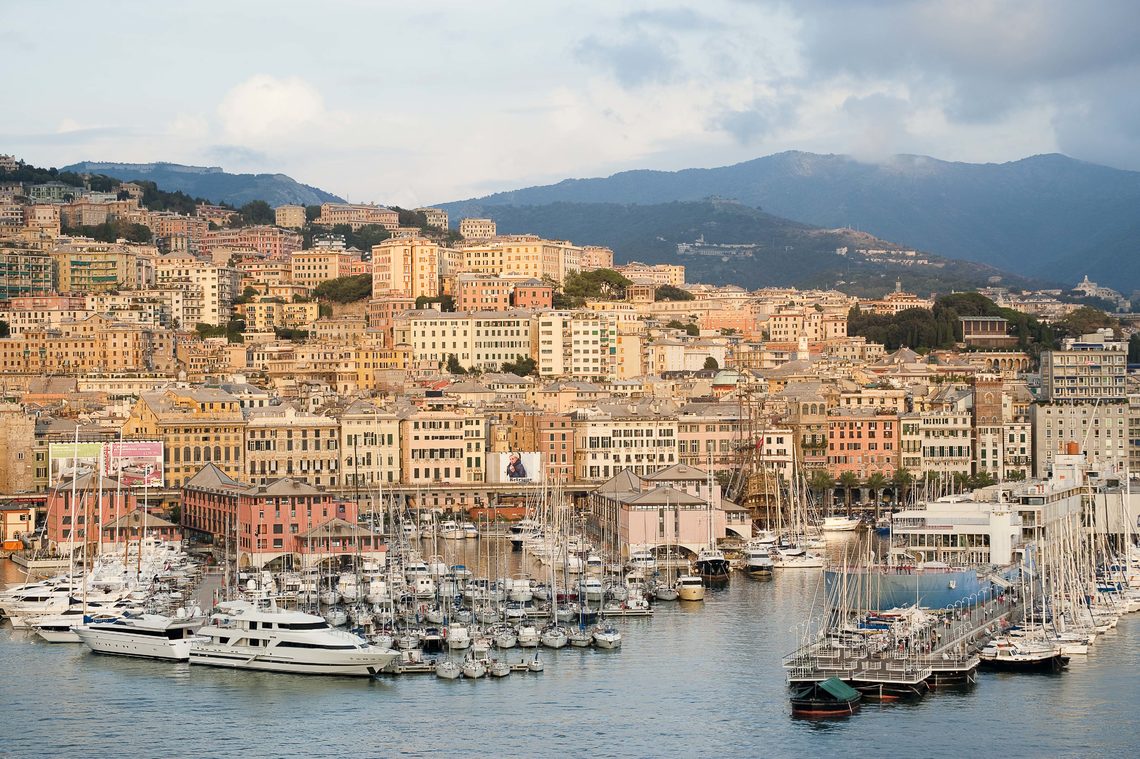
There are several ways, depending mainly on how far away the port of departure is. Nearer ports, such as Genoa, Savona, Venice, Hamburg or Kiel, are easy to reach by car. Arranging secure parking is no problem either – for a 7-night cruise, for example, it costs around €100.
Some ports that are not too far away can also be reached by train or coach, which is particularly appreciated by those who do not have a car.
For more distant destinations, especially on other continents, you will need to fly, and flight tickets must always be booked well in advance. Transfers from the airport are available at the vast majority of ports, often even from more distant airports, but we always recommend checking their availability in advance.
All cruises with a Czech-speaking tour guide are offered including transport – by coach or by air – from a predetermined location.
What to expect at embarkation?
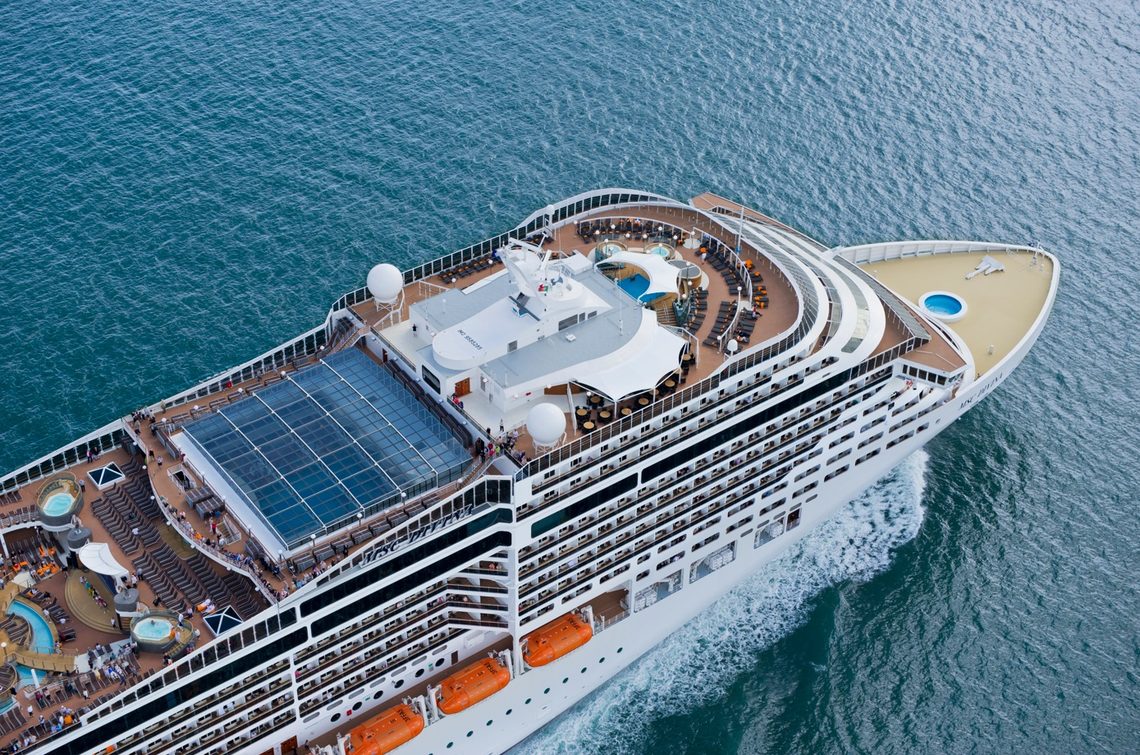
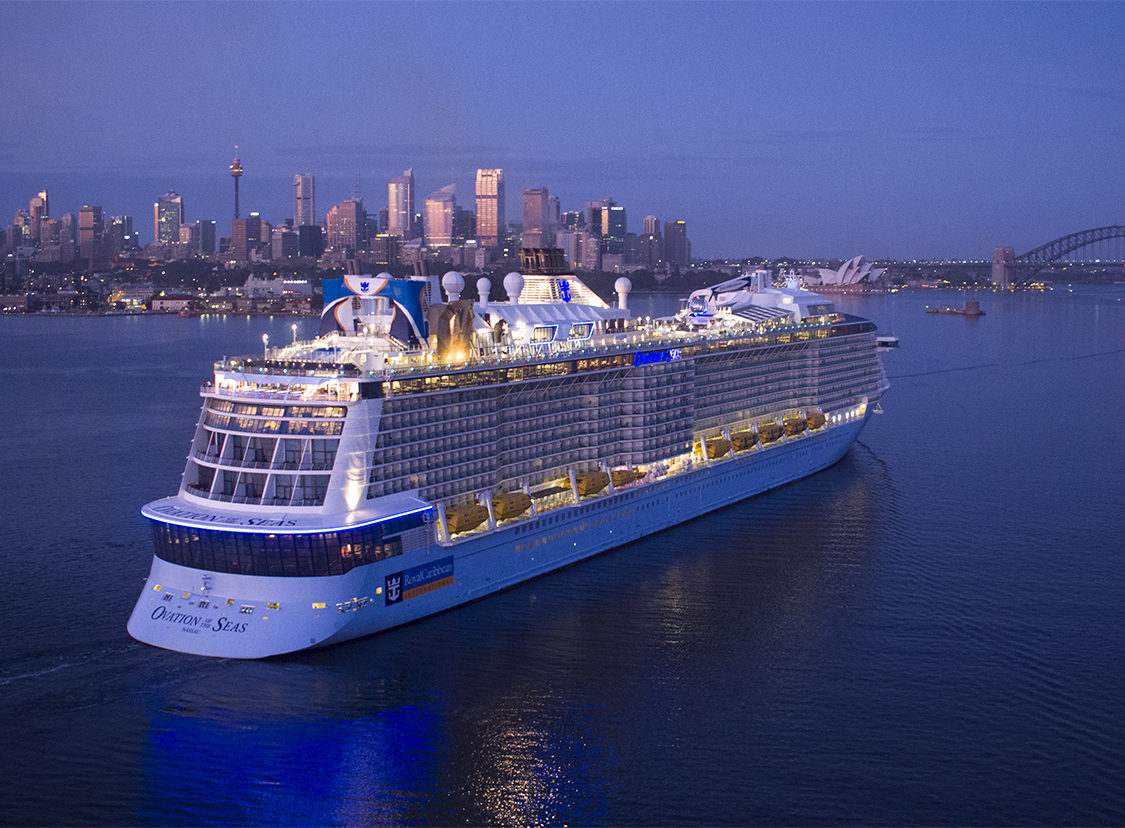
Your ship will undoubtedly be one of the largest in the port, and you will most likely spot it from miles away. MSC Cruises ships, for example, are over 300 metres long and have close to twenty decks – so they are roughly as tall as a twelve-storey building, but much wider.
A ship can often accommodate thousands of passengers, looked after by hundreds and sometimes more than a thousand crew members. Everything has to run like a well-oiled machine, and it all starts at embarkation. When you arrive at the cruise terminal, you will go through a document and luggage check similar to the one at airports. Keep your passport and boarding pass to hand to speed up check-in. The crew will deliver your large suitcases straight to your cabin, while you board the ship via a raised gangway or – if the ship is moored a little further from the terminal – a bus will take you there.
If you choose one of the luxury suites for your stay on board, you may be taken to the port, and from the port at the end of the cruise, by private car or even limousine. Priority embarkation and disembarkation then go without saying.
How to find your way around the ship?
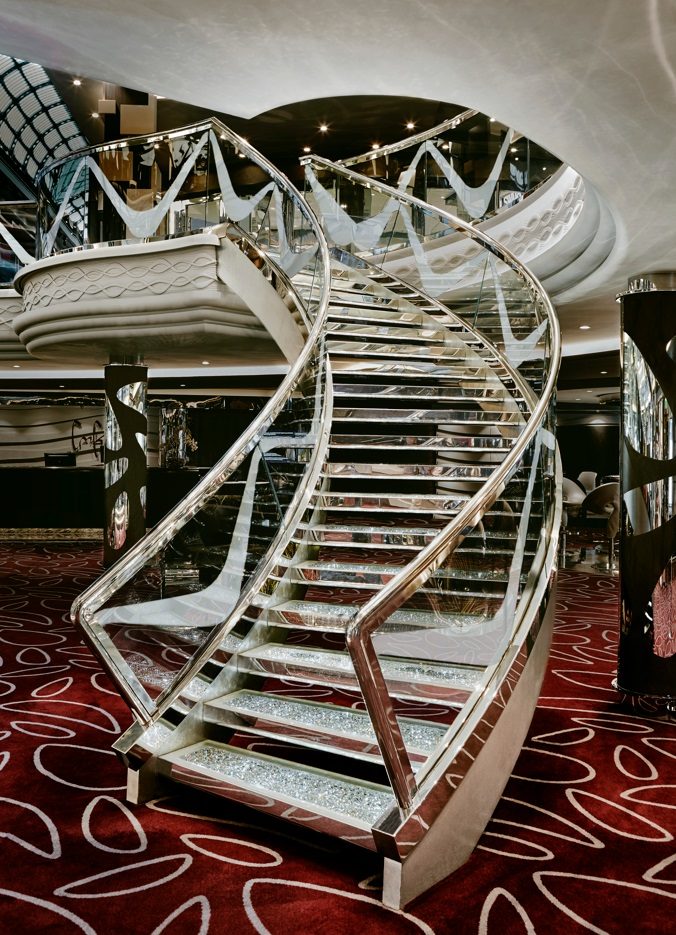
Once on board, first try to get your bearings – if the environment is unfamiliar to you, this may not be entirely easy, even though the ship has an excellent internal signage system. On every deck there are clear maps by the lifts showing where you are and how to get where you want to go. The ships also have a round-the-clock reception, often called “Guest Services”, where printed maps of the ship are available and where staff are ready to advise and help 24 hours a day. Every day you will find the ship’s newspaper in your cabin with all the information you need, and sooner or later you will also meet your personal steward: if you need anything at all, he will be the first to help you.
What to do when the ship sets sail?
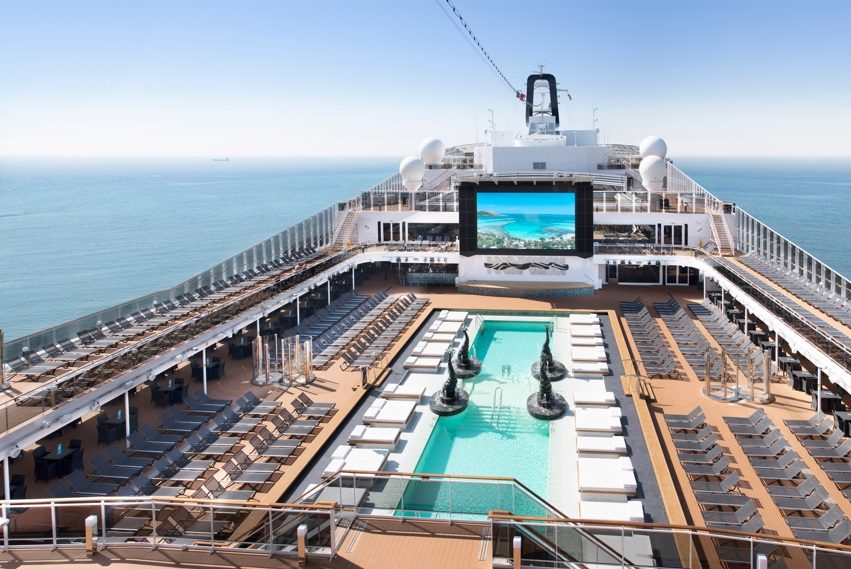
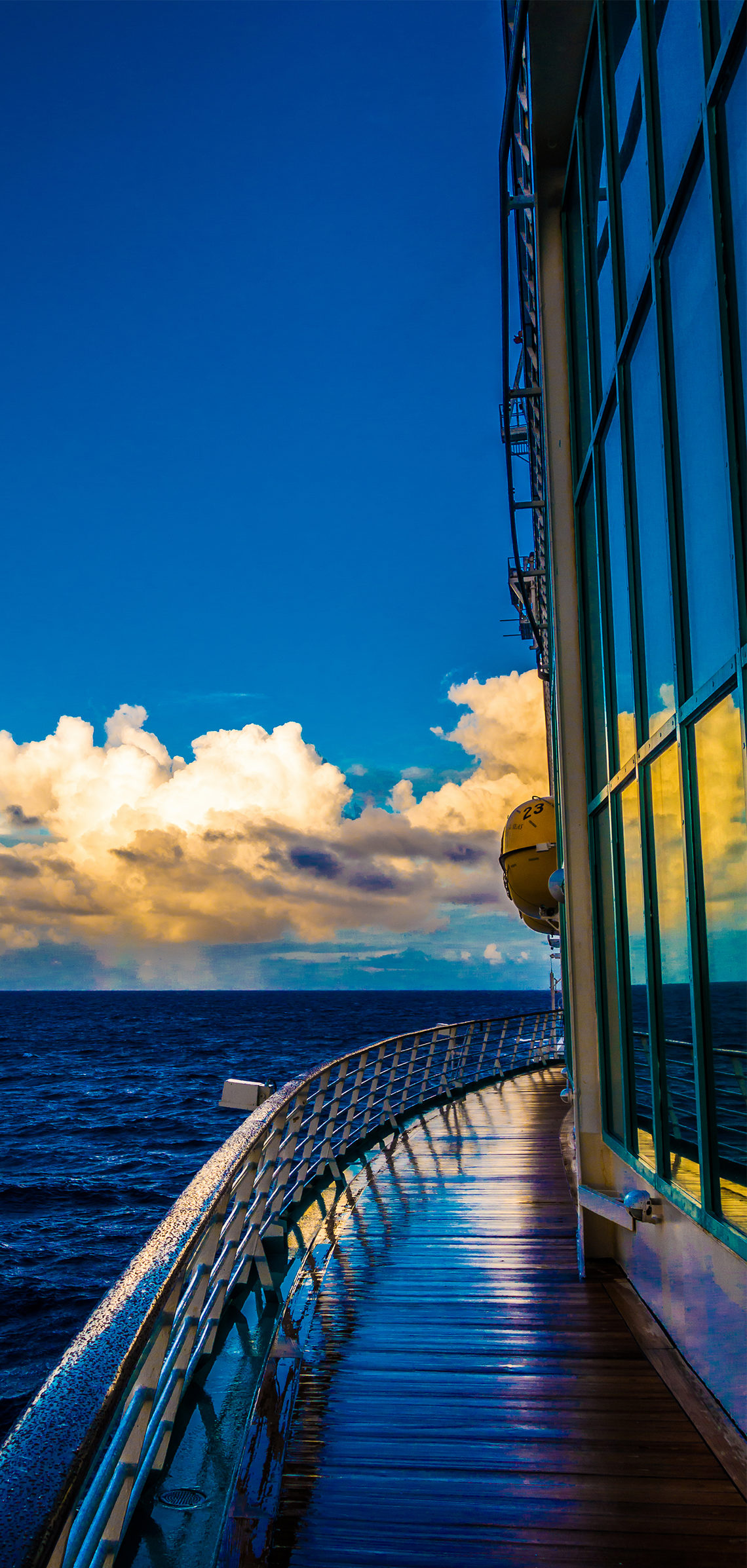
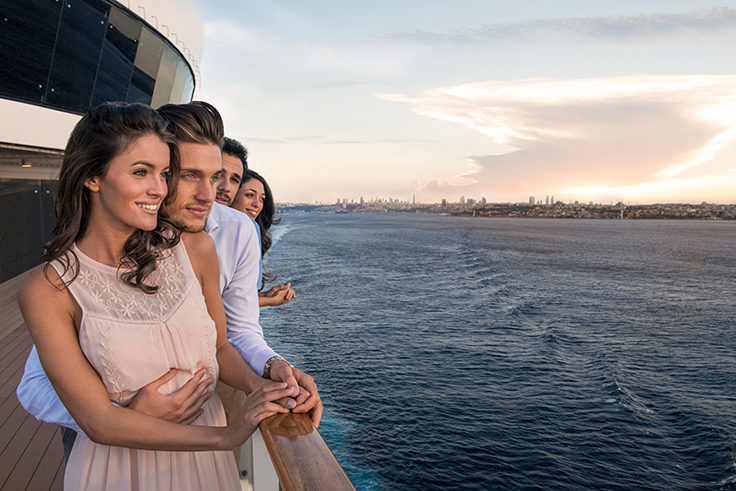
When the ship "pushes off" from the shore, we recommend going up to the open top deck, which offers the best views in all directions. You can make watching the land disappear into the distance even more enjoyable with a glass of something nice – the ship’s buffet, with a wide choice of drinks and dishes, is open almost all day.
Even after the ship has reached the open sea, the coast sometimes remains in sight. The night-time view of illuminated cities and ports in the distance is especially fascinating. The screen in your cabin will tell you what exactly you are looking at: one of the TV channels shows the ship’s precise position, speed, heading and other details.
You will most likely not notice the ship moving at all. Under normal conditions, a giant weighing tens of thousands of tonnes barely moves at sea, and it takes exceptionally rough seas to make the ship “rock” even a little.
What to wear?
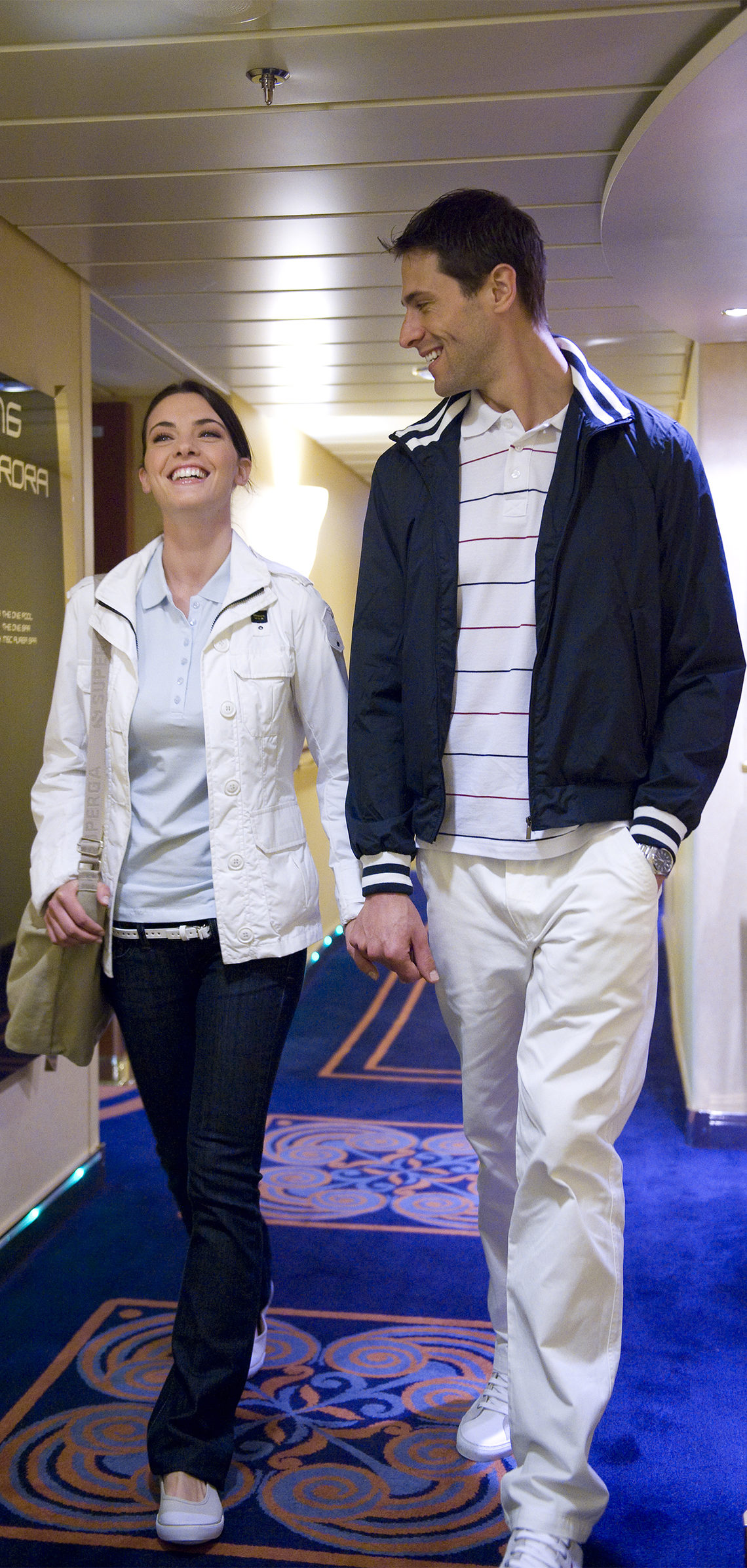
While no one will frown at the casual style you are used to during the day, you need to be a little better prepared for the later hours. So do not forget to pack the formal wear required in the evening – that is, if you want to experience “haute gastronomie” in one of the ship’s restaurants (and you do!). At times you may feel as if you were at a fashion show, with ladies in elegant gowns and gentlemen in dinner jackets parading around you. These are not required, but at least smart trousers and a shirt, for example, are appropriate for the occasion.
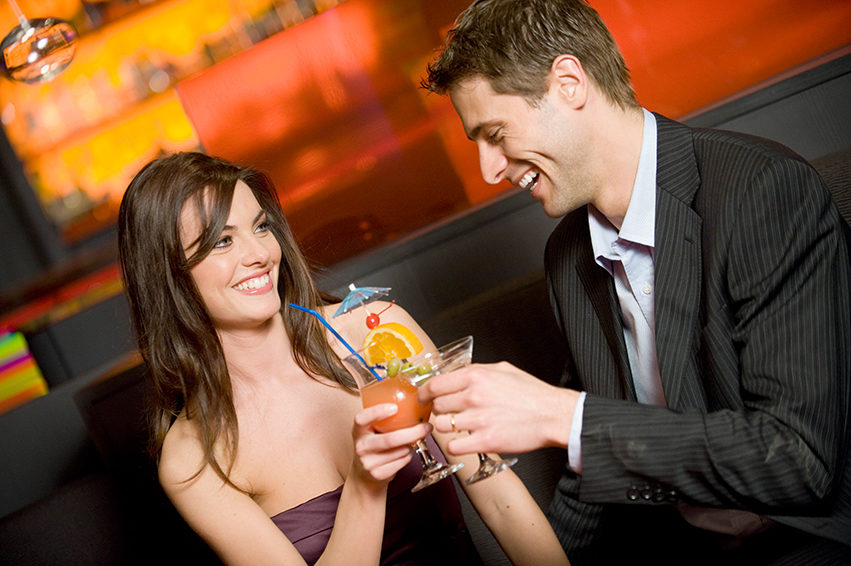
What will you eat and drink?
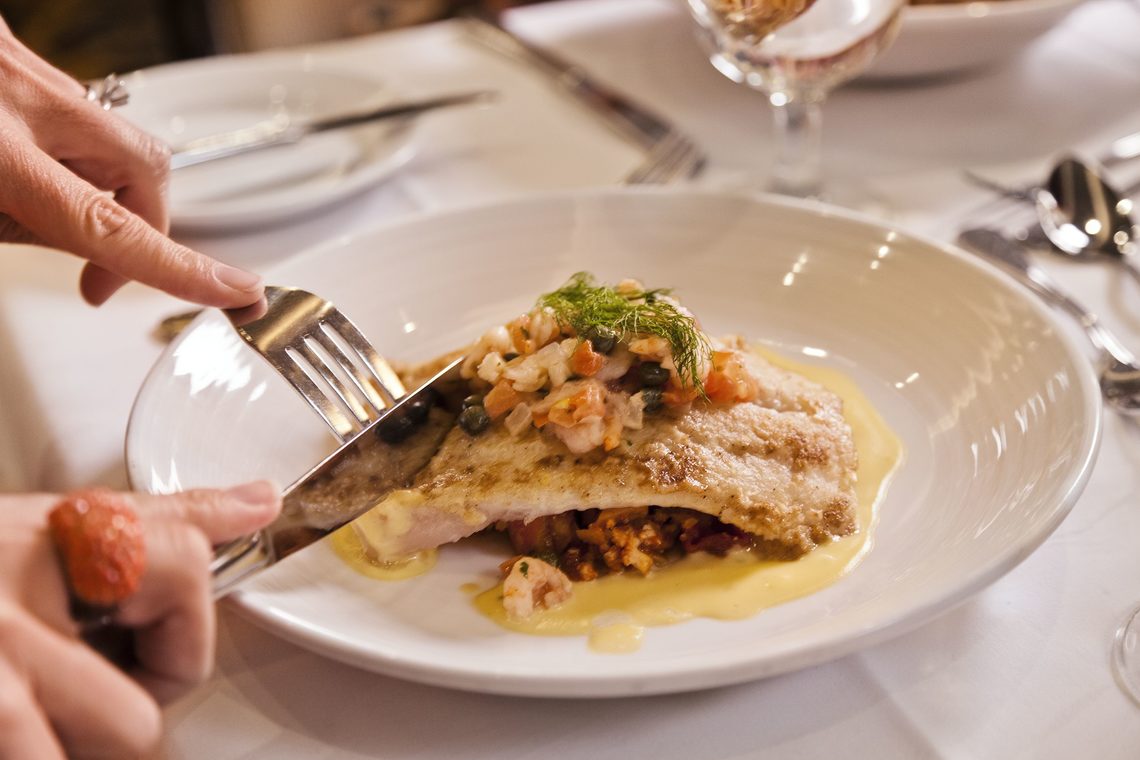
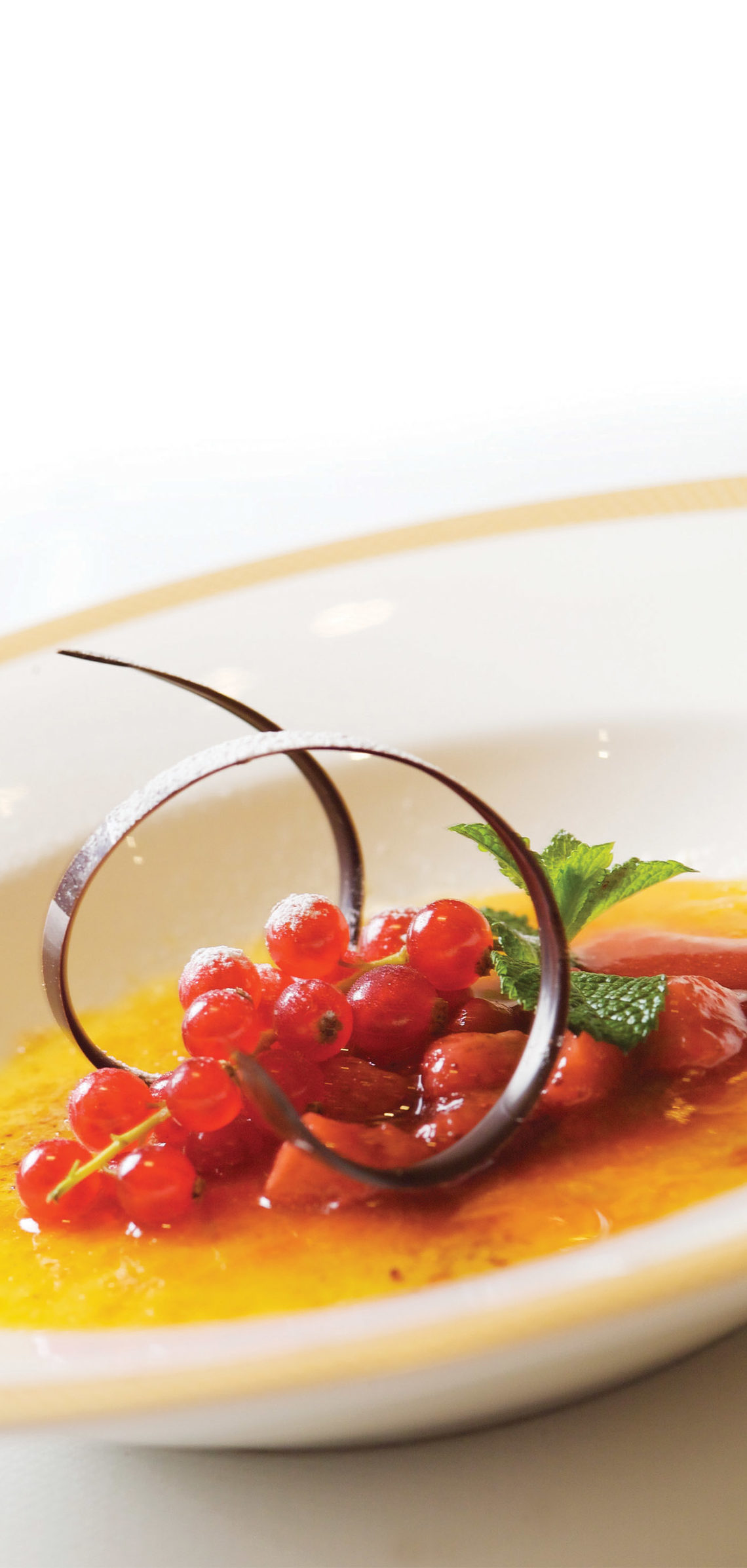
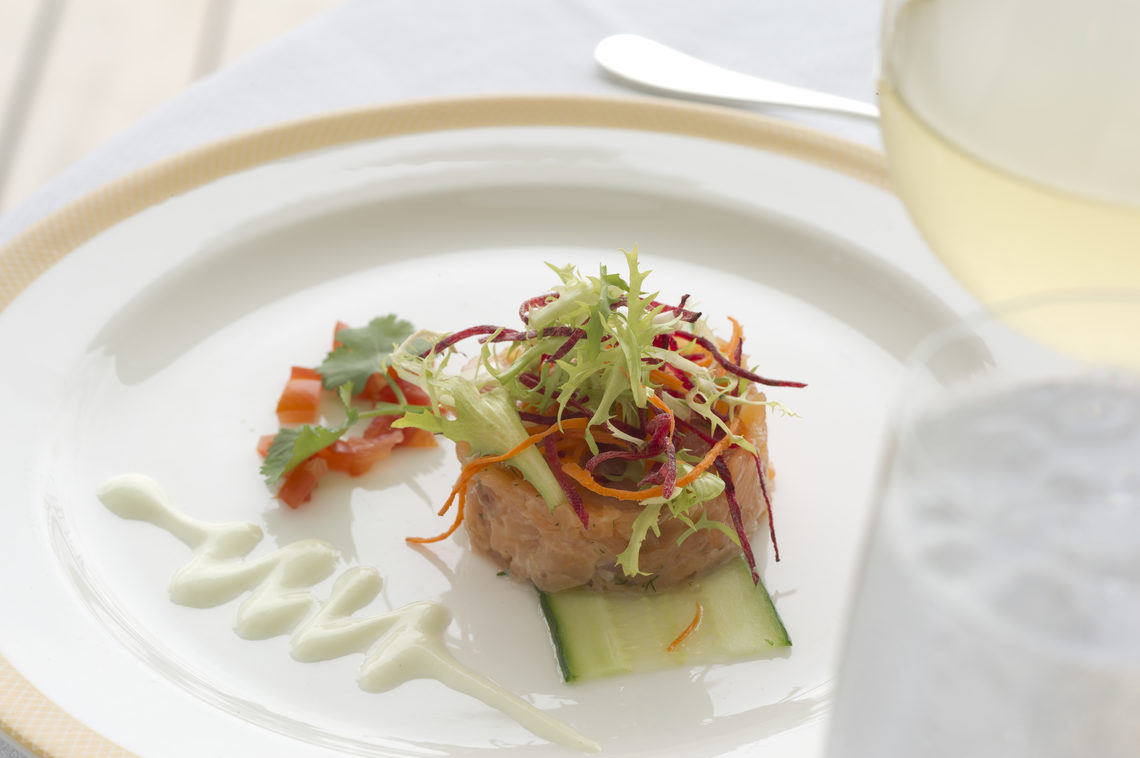
All cruises include full board, including gala dinners. As in any proper luxury establishment, the whole culinary affair takes a while, so that you can really savour each course. Expect to spend at least an hour and a half over dinner.
Guests in luxury suites can look forward to many extra culinary experiences. For example, guests of Norwegian Cruise Line’s The Haven enjoy not only private restaurants and bars but also exclusive breakfasts and lunches or cocktail parties with members of the crew. MSC Yacht Club guests also enjoy an exclusive menu, at any hour of the day or night.
Most cruise lines can cater for a wide range of dietary restrictions, allergies and special requirements, but these must be communicated to the travel agency at the time of booking the cruise.
The cruise price includes full board, i.e. breakfast, lunch and dinner either in the waiter-service restaurant or in the buffet restaurant. Drinks included are water, coffee and tea, and only in the buffet restaurant. If you wish, you can purchase drinks packages with unlimited alcoholic and non-alcoholic drinks, or you can buy drinks individually without a package. Do not worry: prices on board are not excessive and are comparable to mid-range establishments on land – for example, you will pay around €8 for an alcoholic cocktail, and for some cruise lines we have an indicative on-board price list available.
What to do during the cruise?
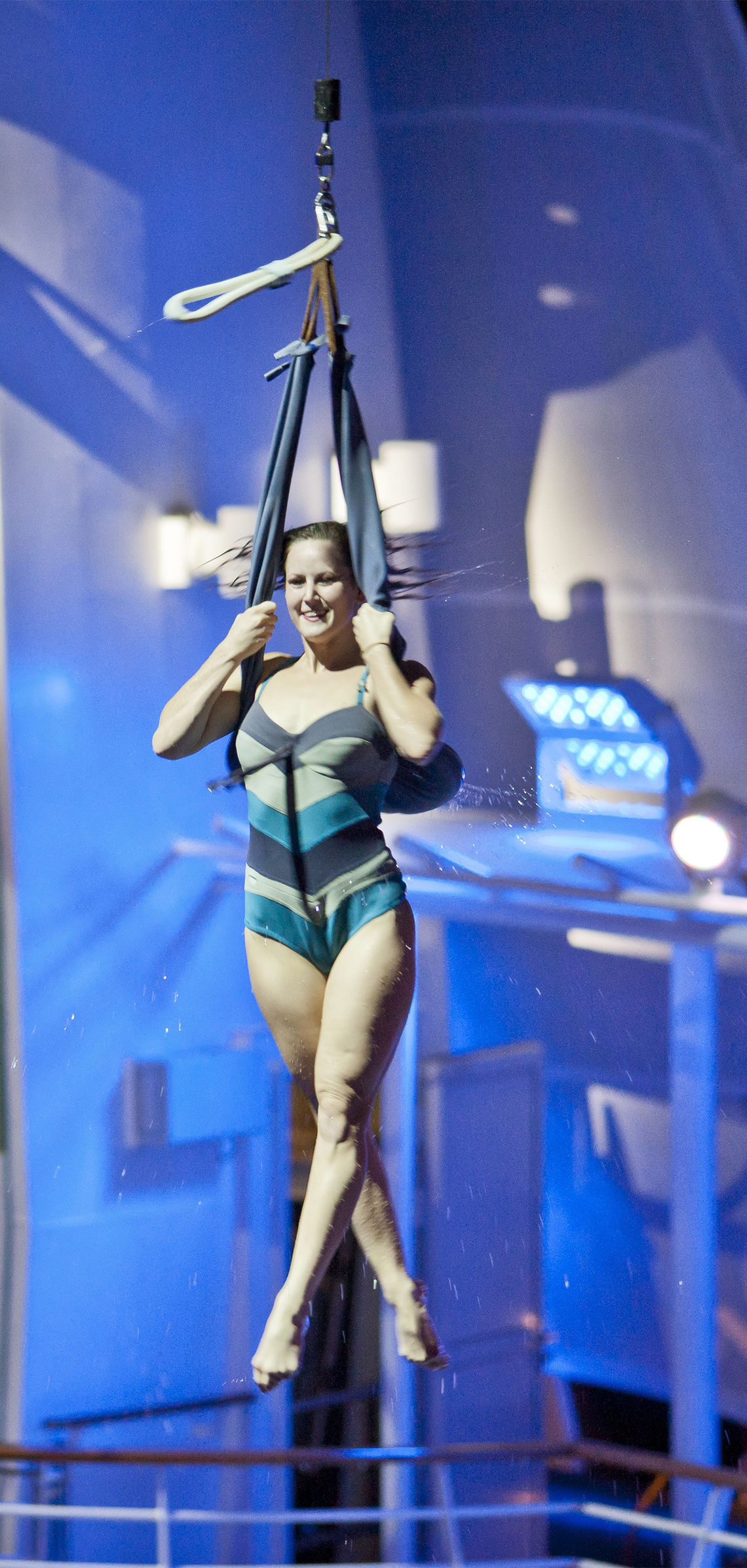
Besides admiring the beautiful views and enjoying the cruise itself, an almost endless range of activities and entertainment awaits you on board. On the vast majority of ships, theatre shows and performances, live music, as well as swimming pools, hot tubs and children’s play areas are free of charge (the babysitting service, however, is charged extra).
Some ships also offer table tennis, a mini-golf course, a climbing wall or a running track. Adrenaline lovers should look for a cruise on a ship with crazy water slides, a surf simulator or a skydiving simulator.
Admission to the fitness centre is usually free, but personal trainer services and group classes are charged. You should also be prepared for an extra charge for the spa, which offers massages, therapeutic treatments and beauty treatments.
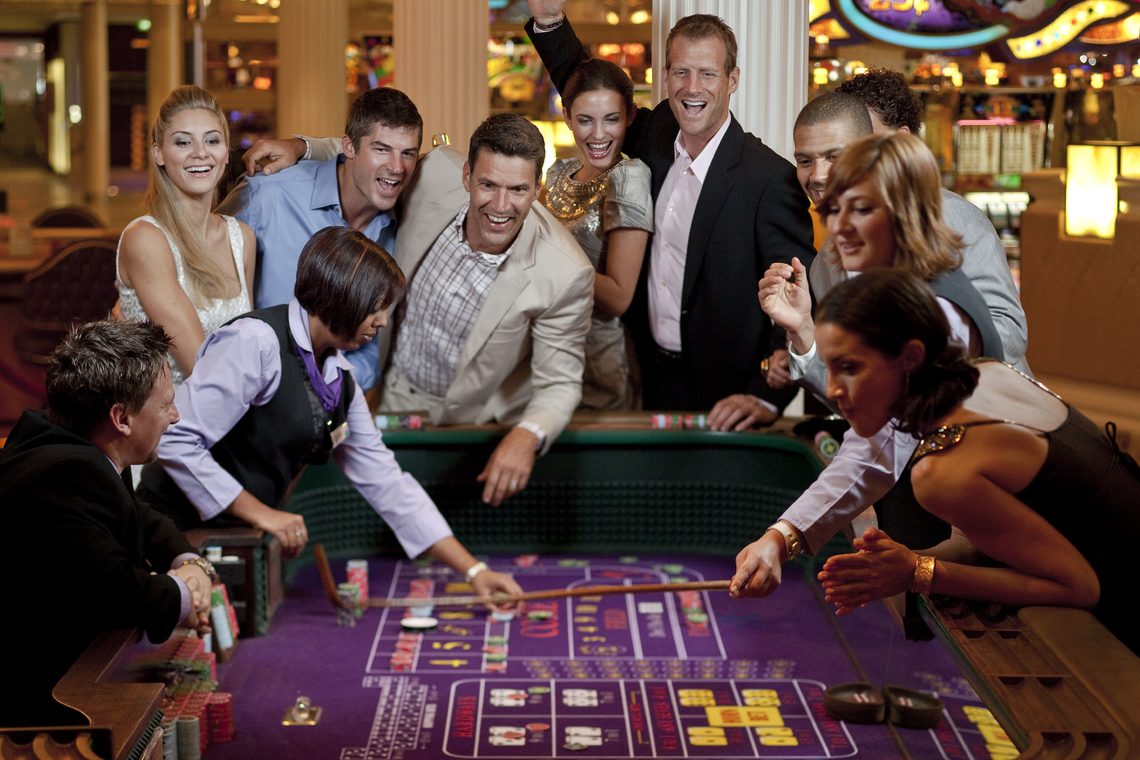
Some ships hold dance lessons or courses, which are also included in the basic price. A casino, open throughout the cruise except during port calls, is a matter of course.
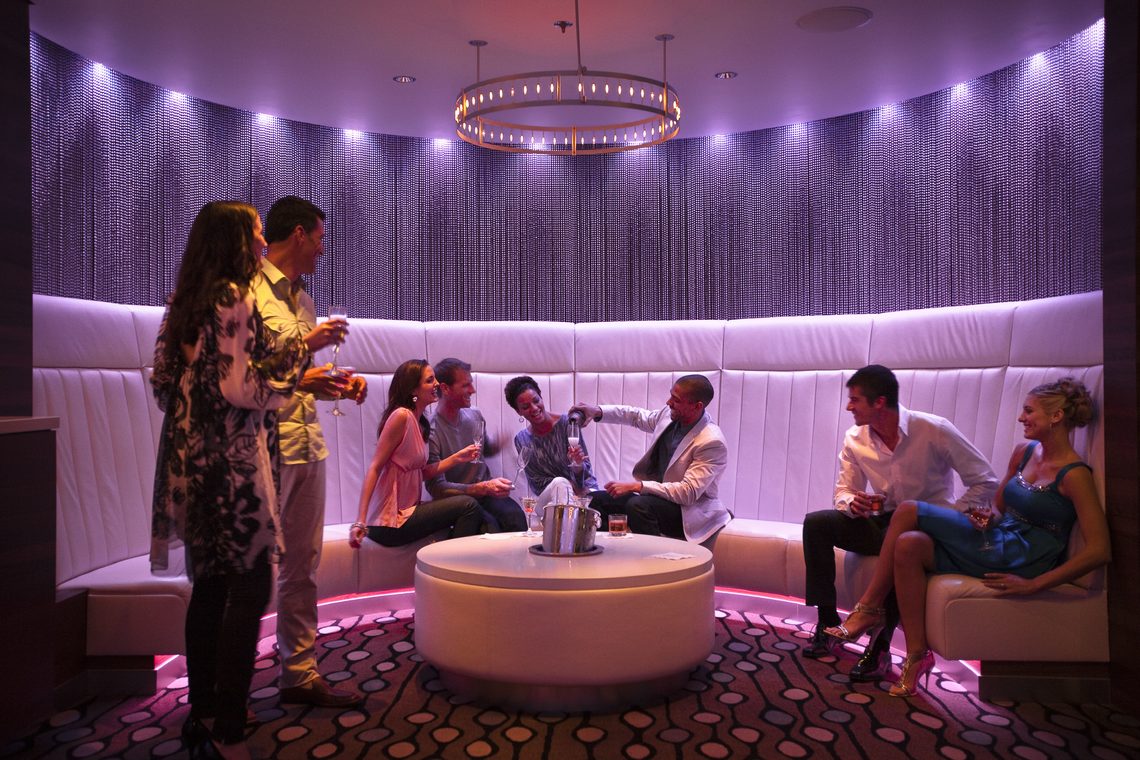
The younger generation will enjoy the disco, and there is usually a choice of several bars. Most cruise lines prohibit smoking in cabins and on cabin balconies, so smokers will appreciate the smoking bar.
Those who opt for one of the luxury accommodation options can enjoy, for example, access to private sun terraces with private pools and hot tubs.
On smaller ships, especially so-called expedition ships, the on-board programme and activities are limited and focus mainly on expert talks and lessons that help guests get to know the destination as fully as possible.
What will you pay for and how?
Most activities on board come at no extra charge – from access to the pools, water parks and attractions to the fitness centre and theatre shows. You will need to budget extra for spa services such as massages, body wraps or beauty treatments, a personal trainer or babysitting.
Optional shore excursions are also charged; children often get a discount, and the youngest can frequently take part completely free of charge.
As for the payment process itself, you can forget about cash or paying by card. When boarding the ship, guests receive a cruise card to which their spending is charged, so they simply sign the bills for the staff. The cruise card also serves as your cabin key. Payment in the ship’s shops, the casino and so on works in a similar way. Before disembarkation, you just need to settle the balance on your cruise card, either in cash or by payment card.
What happens in port?
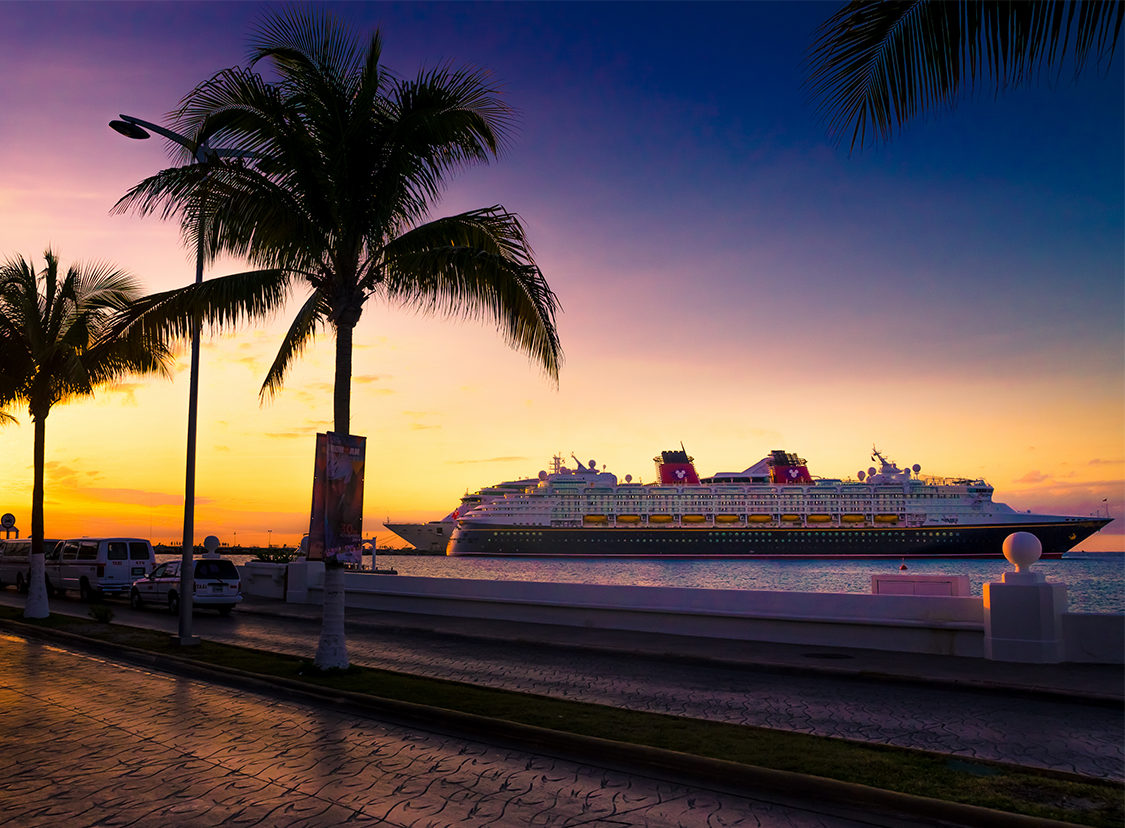
At each port the ship usually stays all day, typically from nine in the morning until six in the evening. So you will have plenty of time to explore the city or its surroundings, either on organised optional excursions or on your own.
The range of excursions tends to be varied, so it suits all kinds of interests and guests’ moods of the moment, and there is often a choice of several world languages. Those who prefer to explore a destination independently can of course set off on their own, but it is important always to keep an eye on the time and not miss the boarding.
One advantage of cruises with a Czech-speaking tour guide is the opportunity to join optional excursions in Czech, which is especially appreciated by those who are not very confident in foreign languages.
Cruise terminals are usually close to the centre and many of the most interesting sights are within walking distance. There is no limit on the number of times you can leave and return to the ship, so between activities you can go back on board, rest, have a bite to eat and then set off exploring again. This option comes in especially handy when the port call is scheduled for most of the day or even the whole day. In destinations where the port is further from the city centre, the cruise line offers a transfer in most cases.
Written by the PT Tours team