


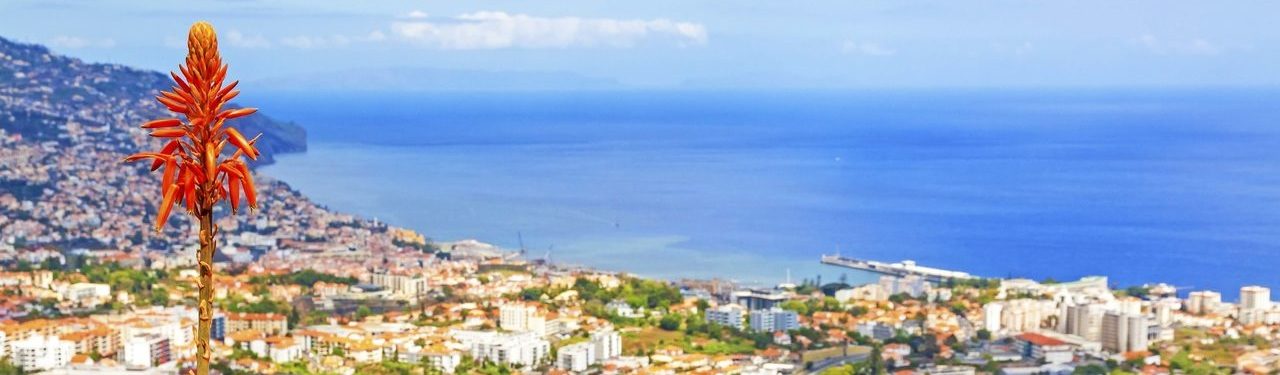
Madeira, the island of eternal spring: what you must see, taste and experience
Emerald Restart in the Atlantic
You enjoy the scent of the ocean, the relaxed atmosphere of a comfortable ship, and the most beautiful shades of blue as far as the eye can see... And suddenly it happens. On the horizon, a dominant island appears in splendid shades of fresh green.
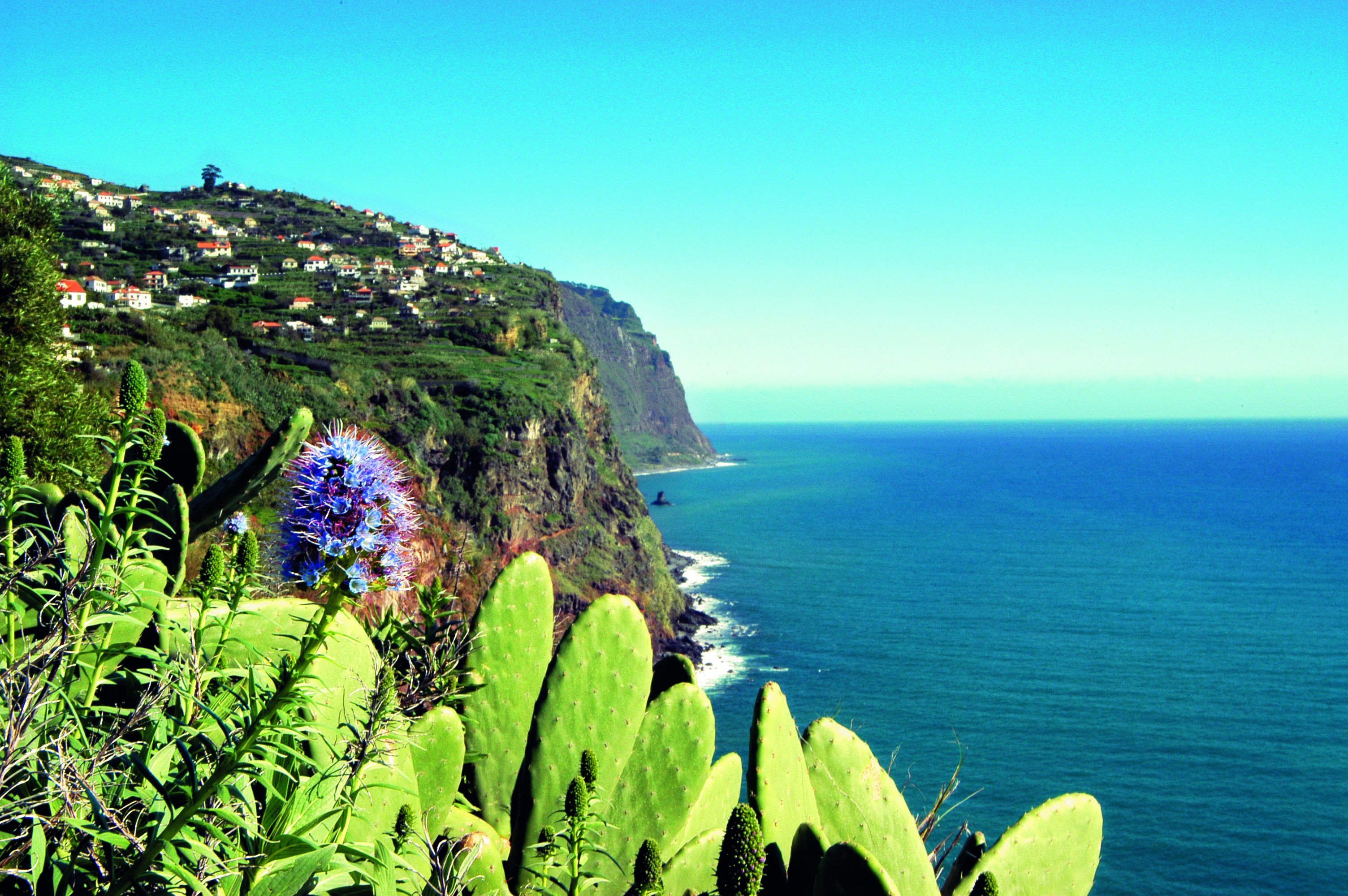
It is immediately clear to everyone that this Portuguese paradise, with an area of around 800 km² (approximately 740 km² for the main island), is not just a flat expanse in the middle of the ocean, but a fascinating world proudly reaching for the skies. Steep slopes interwoven with terraced fields and waterfalls surpass even the most beautiful wallpapers and screensavers. Welcome!
Weather in Madeira
You will enjoy not only the visual splendor but also consistently pleasant temperatures. It's no wonder Madeira is called the island of eternal spring.
Thanks to its location, the influence of the Atlantic Ocean, trade winds bringing moisture, and the mountainous terrain that helps capture it, it has an ideal climate.
What does the subtropical climate look like here?
- Spring + Summer (May to October) are among the most popular periods. Temperatures range approximately between 15 and 26 °C, which pleases everyone who wants to warm up without the risk of their drink evaporating before they can remove the umbrella from it.
- Autumn + Winter resemble our spring. With regular 13 to 20 °C, you have perfect conditions for culture, tourism, and relaxation.
Geographical charm: While you can bask in the sun in the lowlands (by the ocean), a few hundred meters higher, you might be enveloped by mystical fog or refreshed by a gentle mountain breeze. This diversity gives the local landscape its unique character.
Funchal
You will quickly realize that the plan to "just fly through it" was somewhat naive. The capital city has an infectious pace and subtly switches you to a mode where there's no rush.
The first stop deserves to be Mercado dos Lavradores. This whirlwind of colors and scents offers exotic fruits you may not have seen before. When vendors in traditional costumes offer you a cross between a banana and a passion fruit or pineapple, you'll find that these wild combinations taste dangerously good.
Small tip: At the market, it's better to look and taste. Fill your shopping bags in the neighboring streets with more friendly prices.
From here, you can smoothly transition to exploring the quieter and more historic part of the city...
From the Streets of the Old Town to Above the Clouds
The historic district Zona Velha is known for its painted doors and pleasant atmosphere. Here, you will best realize that Funchal is not just a port but a city with a long history.
It was founded in the 15th century and quickly became a key center for trade in sugar and wine. Among the historic houses, you will see the Cathedral Sé from the turn of the 15th and 16th centuries or the São Tiago Fortress. The local cozy corners also invite you to a glass of famous Madeira wine. You must taste it!
Once you've had your fill of walks through the old town, take the cable car to the Monte district. Within minutes, you'll find yourself high above the port and understand why no one wants to return to the lowlands from here.
In Monte, we recommend visiting the Monte Palace Tropical Garden. Among waterfalls and Japanese bridges, peacocks lazily display their charm. Harmony!
And the way back? You can spice it up with a ride in traditional wicker sleds (toboggan). Two men in white with straw hats will safely (and quite swiftly) take you down in them. Although it's an activity lacking rational sense in the 21st century, it adds flair to the vacation (not literally, traditional riding gear is not part of the ride).
Valley of the Nuns
The inland does not lag behind with interesting places. Not far from Funchal lies Curral das Freiras, known as the Valley of the Nuns. In 1566, nuns hid here from a pirate raid.
Today, you will find a village surrounded by steep mountain slopes that almost isolate it from the outside world. This location reminds us why it was once an ideal refuge.
Levadas and Mountains: Hiking You'll Love
Do you like hiking or trekking? Madeira is among the best destinations for an active holiday.
The island is crisscrossed by more than 3,000 kilometers of levadas – irrigation channels along which run some of the most beautiful trails.
Originally, they brought water from the humid north to the drier south, today they lead you through mountains, laurel forests listed as UNESCO World Heritage, and along steep slopes with magnificent views. And the best part? You don't have to be a climber or a chamois. Since the channels must maintain only a gentle slope, many trails are essentially flat and thus among the easy ones. However, even tourists seeking adrenaline will find their fill – just choose a more challenging section. For example, the ascent to Madeira's highest peak: Pico Ruivo (1,862 m).
Do you want to enjoy the views without effort? Then you shouldn't miss Cabo Girão on one of the highest cliffs in Europe (580 meters) with a breathtaking glass-floored viewpoint.
Are you drawn to a more mysterious atmosphere? Head to the Fanal area. The misty laurel forest Laurisilva is one of the best-preserved of its kind in the world. Just wait a moment for the fog to roll between the trees, and you'll understand why this place is spoken of almost in whispers.
Beaches, Ocean, Swimming
In Madeira, typical smaller bays, pebbles, or dark volcanic sand contrast with the lush green slopes, creating an exotic feel.
In the south of the island, calmer bays ideal for regular swimming and relaxation prevail. The north, on the other hand, offers more dramatic scenery. For example, in Porto Moniz, natural lava pools await you, where swimming becomes a luxurious experience. One of the most beautiful places is Seixal on the northern coast. The black beach bordered by steep green slopes is one of the most photogenic corners of the island.
Sea temperature: The Atlantic in this destination can be described as temperature-stable. In winter, the water is around 18–20 °C, in summer it ranges approximately between 22–24 °C. Swimming is thus possible practically year-round.
Why Sail to Madeira?
Madeira offers incredible diversity in a relatively small space. In one day, you can stand above the clouds, walk through a misty forest, and watch the ocean in the evening...
And that's why people return here. Not for one place, but for the feeling they take away – that the world is still beautiful and worth discovering.
Frequently Asked Questions
When to go to Madeira?
The question of when to go to Madeira has a surprisingly simple answer. Practically anytime.
Spring and autumn are ideal for hiking, summer for swimming, and winter for escaping the colder weather.
Where is Madeira?
Madeira, a Portuguese island (or archipelago), is located in the Atlantic Ocean, about 900 kilometers southwest of Portugal and about 600 kilometers from the coast of Africa. It belongs to Europe, but its climate and nature make it feel much more exotic.
What to taste in Madeira?
The local cuisine is full of great flavors, dominated by espetada – beef skewers grilled on laurel wood, served as the main course. As a side dish, definitely choose bolo do caco, a fluffy garlic bread that you can easily develop a light gourmet addiction to.
What else not to miss? Espada with banana offers a daring yet absolutely brilliant combination of fish and fruit.
A great complement to main courses is milho frito, golden-fried corn cubes.
It's also worth trying lapas – delicate grilled limpets served directly on the pan.
Fish lovers should definitely not miss fresh tuna (it tastes best just lightly seared).
The experience is perfectly completed with a glass of the famous fortified Madeira wine. And if you crave something stronger, have a poncha – a traditional drink made from local cane rum, honey, and fresh citrus juice.

MSC Funchal Portugal

Costa Cruises Madeira
