


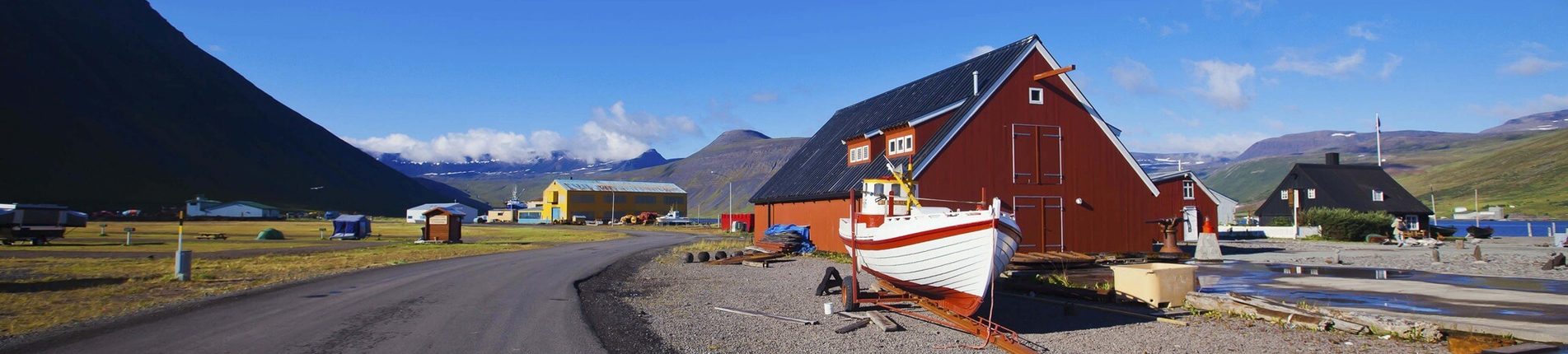
Akureyri / Iceland
Akureyri, the second largest city in Iceland, is located on the shore of the majestic fjord Eyjafjörður and is considered the gateway to the natural beauty of the island's north. Although it has only about 20,000 inhabitants, it offers a lively atmosphere, a vibrant cultural scene, and a number of interesting landmarks. In the vicinity of the city, you will find powerful waterfalls, geothermal areas, volcanic landscapes, and a unique opportunity for whale watching. Akureyri is among the most sought-after stops offered by cruises in Northern Europe.
What to taste in Akureyri?
Local gastronomy is based on fresh Icelandic ingredients – fish, lamb, and dairy products – combined with modern Nordic cuisine. Local restaurants blend traditional recipes with imaginative, contemporary presentation.
-
Kjötsúpa – a hearty Icelandic lamb soup with vegetables, which is one of the most popular home dishes.
-
Plokkfiskur – a traditional dish made from boiled cod, potatoes, and creamy sauce, served with rye bread.
-
Arctic char – Arctic char prepared grilled or smoked, one of the most sought-after Icelandic fish.
-
Humar – Icelandic lobster most often served with herb butter.
-
Skyr – a traditional Icelandic dairy product similar to thick yogurt, served with fruit or honey.
-
Kleinur – fried pastry reminiscent of a donut, popular with coffee.
Why will you love Akureyri?
- Gateway to Northern Iceland – an ideal starting point for visiting the Goðafoss waterfall, Mývatn lake, and geothermal areas.
- Whale watching – the Eyjafjörður fjord is one of the best places in Iceland for watching humpback whales, minke whales, and dolphins.
- City surrounded by nature – colorful houses, a botanical garden, mountain peaks, and a peaceful atmosphere create a unique place for exploring Iceland.
Practical tips:
- Official language: Icelandic, English is commonly used in tourist areas.
- Currency: Icelandic króna (ISK)
- Opening hours: Shops are usually open on weekdays from about 9:00–10:00 to 18:00, on Saturdays until 16:00. On Sundays, smaller shops are often closed, while supermarkets and shops in tourist areas tend to stay open longer.
- Public transport: the center of Akureyri is compact, and most attractions can be conveniently visited on foot. The city offers free bus transport, and organized tours to the most famous natural attractions of Northern Iceland depart from the port.
- Weather: The climate in Akureyri is subarctic-oceanic, with mild summers, where temperatures reach around 12–15°C, and it is often windy. Winters are cold, with average temperatures around −2°C, and snow occasionally appears, covering the city for several weeks.
The most interesting from the history of Akureyri:
The first mentions of the Akureyri area date back to the 16th century, but the real development of the city began in the 18th century thanks to trade and fishing. Akureyri received city rights in 1862 and gradually became the most important center of Northern Iceland. Its advantageous location by a long fjord allowed the development of fishing, transport, and trade, while the surrounding fertile land supported agriculture. Today, Akureyri is not only an important port and cultural center of Northern Iceland but also a starting point for discovering the unique Icelandic nature, geothermal areas, and volcanic landscapes.
Useful information
Port map:
Places worth seeing:

Letní pohled na Akureyri pod štíty islandských hor.

Vodopád Goðafoss – impozantní vodopád na severu Islandu, který uchvacuje svou sílou a krásou.

Relaxační lázně u jezera Mývatn s horkými prameny a úchvatnou islandskou krajinou.


Getting to the port:
Cruise ships dock directly at the Akureyri Cruise Port in the city center, just a few minutes' walk from the main shopping street, restaurants, cafes, and the tourist information center. Thanks to the compact layout of Akureyri, most attractions can be easily reached on foot. Taxis, free city buses, and organized tours to the surrounding areas, such as the Goðafoss waterfall, Lake Mývatn, or whale watching, are also available.
Cruises to Akureyri:
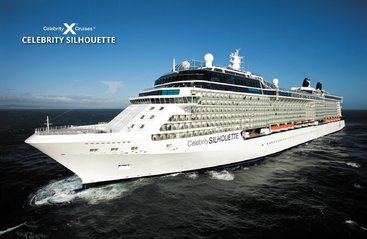
Iceland from Reykjavík na lodi Celebrity Silhouette
| Ship: | Celebrity Silhouette |
|---|---|
| Route: | Iceland |
| Embarkation and disembarkation: | Reykjavík, Iceland |
| Duration: | 7 nights |
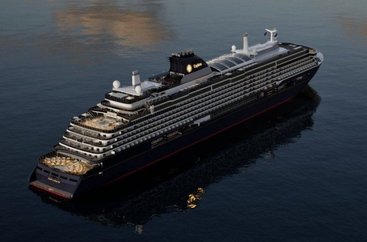
Iceland, Denmark from Reykjavík na lodi Explora IV
| Ship: | Explora IV |
|---|---|
| Route: | Iceland, Denmark |
| Embarkation and disembarkation: | Reykjavík, Iceland |
| Duration: | 7 nights |
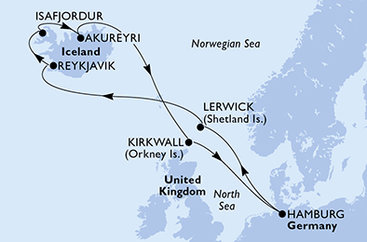
Germany, United Kingdom, Iceland from Hamburg na lodi MSC Preziosa
| Ship: | MSC Preziosa |
|---|---|
| Route: | Germany, United Kingdom, Iceland |
| Embarkation and disembarkation: | Hamburg, Germany |
| Duration: | 11 nights |