


Dublin / Ireland
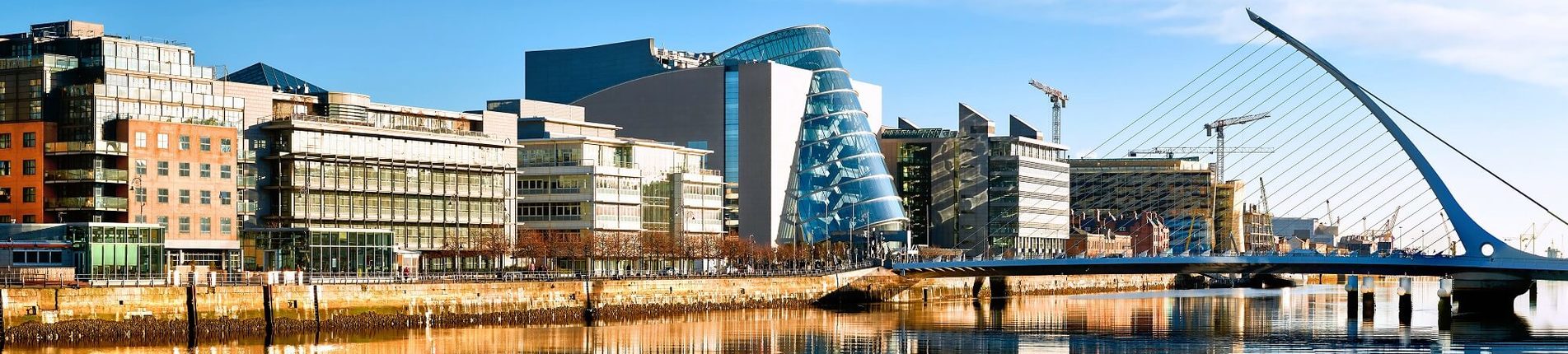
Dublin (Irish Baile Átha Cliath), the capital of Ireland, is a place where history meets modern life. The River Liffey flows through picturesque streets, alternating between historic buildings, lively cafes, and green parks. Every corner of the city reveals a unique Irish character and invites exploration.
What to taste in Dublin?
Dublin's gastronomy offers a unique blend of traditional Irish dishes and authentic local flavors.
- Irish stew – stewed meat with vegetables, considered the national dish of Ireland.
- Coddle – a hearty mix of sausages, bacon, potatoes, and onions, similar to goulash, especially popular in Dublin.
- Barmbrack – a sweet sourdough bread with dried raisins, traditionally served during Halloween.
- Irish cheeses – produced on farms throughout Ireland for centuries, ranging from mild to strong varieties.
- Red lemonade – a popular non-alcoholic drink with a mild citrus flavor, typical for Dublin and its surroundings.
- Guinness – iconic dark beer with a characteristic bitterness, a symbol of Irish brewing tradition.
Why will you love Dublin?
- Lively Irish atmosphere – the streets of Temple Bar with plenty of traditional Irish pubs, cafes, and music give the city its typical Irish energy.
- Rich history and culture – from Viking roots through medieval buildings like Christ Church Cathedral and Dublin Castle, to literary treasures at Trinity College with the Book of Kells, which is listed as a UNESCO World Heritage Site and is one of the city's most valuable cultural gems.
- Peace and greenery in the city center – Phoenix Park, St. Stephen’s Green, and the Liffey waterfront offer rest and relaxation.
Practical tips:
- Official language: Irish and English.
- Currency: Euro (EUR).
- Opening hours: Shops are usually open from around 9:00 to 18:00, often longer in tourist areas. Attractions are generally accessible from 9:30 to 17:30, with extended hours often during the summer season.
- Public transport: Regular bus lines and Luas trams run throughout the city, connecting the main parts of Dublin. Additionally, hop-on hop-off buses are available for tourists, allowing convenient tours of major attractions.
- Weather: Dublin has a mild oceanic climate, with average temperatures between 5 and 20 °C. The main tourist season usually lasts from May to September.
The most interesting from Dublin's history:
Dublin originated as a Viking settlement on the banks of the River Liffey and quickly became a bustling trading center. During the Middle Ages, the city grew and gradually transformed into a center of education, crafts, and trade. The 17th and 18th centuries brought prosperity, urban architectural development, and the emergence of cafes, theaters, and cultural societies that still influence city life today. Dublin experienced key political events from uprisings against British rule to the emergence of independent Ireland and also became the birthplace of literary geniuses such as James Joyce, Oscar Wilde, and Samuel Beckett. The city's cultural heritage is complemented by Trinity College with the Book of Kells, listed as a UNESCO World Heritage Site.
Useful information
Port map:
Places worth seeing:

Dublin Castle je historický komplex, který sloužil jako sídlo britské správy v Irsku. Dnes je otevřený pro návštěvníky a nabízí prohlídky reprezentačních sálů, hradního náměstí i zahrad.

Temple Bar v Dublinu je živá čtvrť známá tradičními irskými puby, kavárnami a kulturními akcemi. Je oblíbeným místem pro procházky i večerní zábavu.
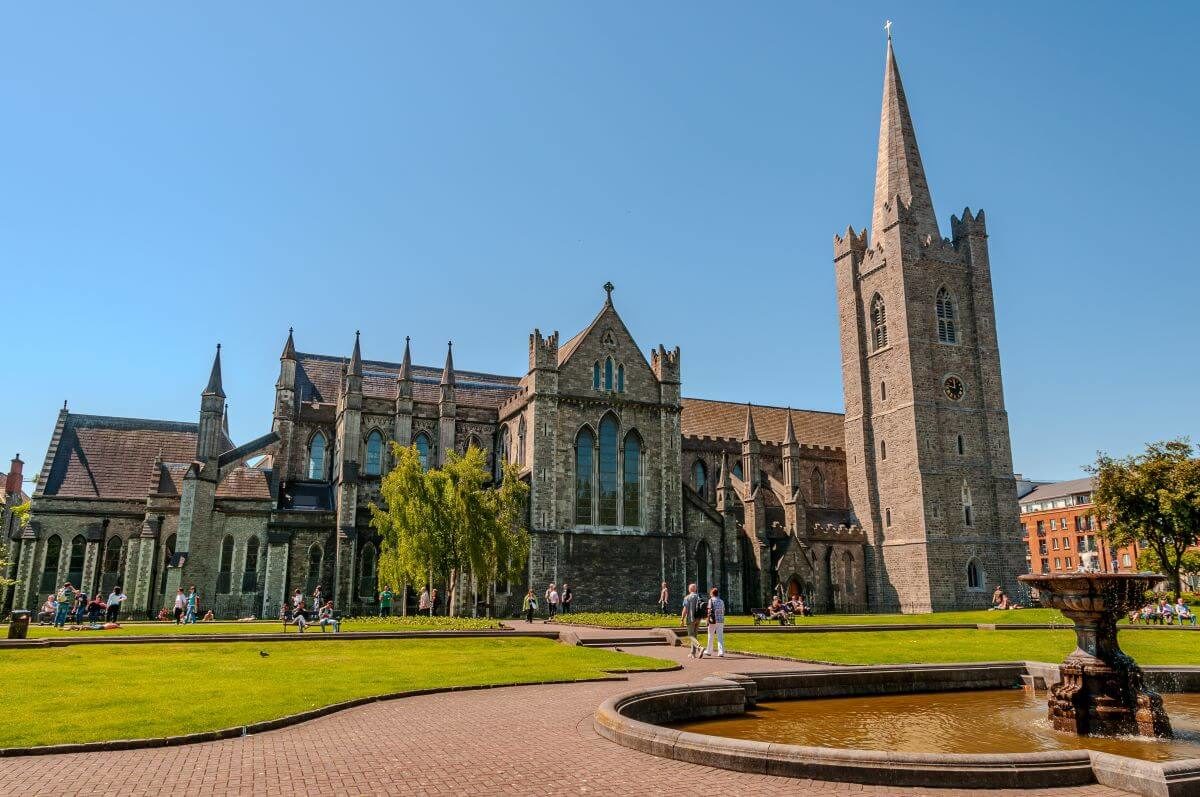
St Patrick’s Cathedral v Dublinu je největší katedrála v Irsku a významná památka anglikánské církve. Je známá gotickou architekturou, bohatou historií a spojením se spisovatelem Jonathanem Swiftem.


Getting to the port:
Cruise ships dock at the Dublin Cruise Port, most often at Terminal 18, East Wall Road, Dublin 1. The terminal is located on Alexandra Quay in the industrial part of the port, approximately 3–5 km from the city center. In case of heavy traffic or larger ships, an alternative docking point in Dún Laoghaire, known as the tender port, may be used. The journey to Dublin takes approximately 30 minutes, and passengers can use a taxi, private transfer, shuttle service, or train from the nearby DART station.