

Aarhus / Denmark
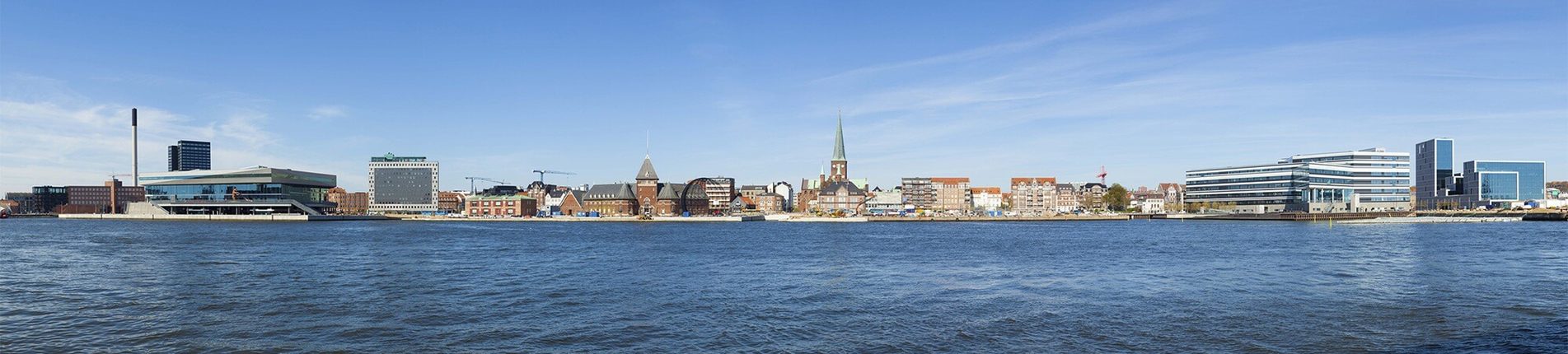
In the middle of the eastern coast of Denmark, on the shore of the bay of the same name in the Kattegat Sea, lies Aarhus. The second largest city in Denmark with approximately 270,000 inhabitants is among the significant cultural and historical centers of Northern Europe and is a popular stop for cruise ships as well as the economic and social heart of the region.
What to taste in Aarhus?
Local gastronomy is based on Danish tradition, which emphasizes fresh, local, and seasonal ingredients – primarily fish, seafood, quality meat, and products from surrounding farms. The cuisine combines the simplicity of Scandinavian style with modern culinary trends. Also worth tasting are:
- Smørrebrød – traditional open sandwiches on rye bread with fish, meat, or eggs, richly garnished,
- Stegt flæsk – crispy pork belly served with potatoes and parsley sauce, considered the national dish of Denmark,
- Frikadeller – meat patties, often served with potato salad,
- Fiskefrikadeller – fish version of patties, typically made from cod or salmon,
- Rugbrød – dense rye bread, the base of most traditional dishes,
- Æbleskiver – small sweet balls similar to pancakes, served with sugar and jam,
- Akvavit – traditional Nordic spirit flavored with herbs, ideal with fish dishes.
Why will you love Aarhus?
You will love Aarhus for its vibrant atmosphere, combination of history, culture, and nature. The city's coastline is lined with beautiful sandy beaches and in the surrounding wooded hills you will find two public sea baths. The city is ideal for active leisure – thanks to the year-round mild climate, you can enjoy water sports, hiking, or cycling, for example on the 19-kilometer-long Brabrandstien trail around Brabrand Lake.
Practical tips:
- Official language: Danish, English is commonly used in tourist areas.
- Currency: Danish krone (DKK).
- Opening hours: Shops usually open around 09:00–10:00 and close between 17:00–20:00, while supermarkets tend to stay open longer (often around 07:00–21:00/22:00). On Saturdays, opening hours are shorter and on Sundays, regular shops are mostly closed, except for smaller stores and some supermarkets.
- Public transport: Mainly provided by city buses and a modern tram line (Aarhus Letbane). Tickets should be purchased in advance – for example, via a mobile app, machines, or online. The port where cruise ships dock is located near the center, from where it is possible to reach the city on foot in about 10–20 minutes, or use bus or taxi transport; sometimes shuttle service is also available.
- Weather: The climate in Aarhus is mild maritime, with summers around 18–22 °C and winters with temperatures approximately 0–5 °C. The weather is variable, often windy, with precipitation evenly throughout the year.
What to visit in Aarhus:
- Den Gamle By – this is the largest attraction in Aarhus. The open-air museum from 1914 is the oldest of its kind in the world, and visitors can view 75 buildings from 20 different locations across Denmark. Among them are a school, theater, post office, or shop from the period from 1550 to the end of the 19th century.
- Aarhus Cathedral – this beautiful Gothic cathedral is the city's landmark, and its history dates back to the 13th century. With its 93, respectively 96 meters, it is the longest and tallest church in Denmark with beautiful frescoes from the 14th – 16th century.
- Moesgaard Museum – almost a must for everyone is this modern museum, introducing the history and culture of people living in today's Denmark from the Iron Age to the present.
- Aarhus Botanical Gardens – tropical and subtropical greenhouses of the botanical gardens from 1875 with exotic trees and plants and an exhibition dedicated to the original Danish flora. The functionalist city hall with a 60-meter tower from 1941 is also set in the beautiful park.
- ARoS – art enthusiasts can visit the art museum, one of the largest in Scandinavia, with an exhibition of works by Danish artists from the 18th century to the present and a wide collection of foreign works.
- Tivoli Friheden – not only families with children will enjoy the amusement park with more than 40 different attractions and a water section about 2 kilometers south of the center.
- Bellevue Beach – relax on the 1.5-kilometer-long sandy beach on the coast of the Kattegat Sea, just a stone's throw from the city center.
- Brabrand Lake – go for a walk or ride a bike through the beautiful landscape around the lake, which can be paddled to directly from the city center via the Aarhus River.
The most interesting from the history of Aarhus:
Aarhus was founded in the 8th century as a Viking fortress, whose growth was ensured by the advantageous location of a natural harbor. In the 17th century, during the wars with Sweden, the city was bombarded, and in the 19th century, during the industrial revolution, Aarhus grew into one of the largest cities in Denmark. During World War II, it was occupied by Germany.
Useful information
Port map:
Places worth seeing:
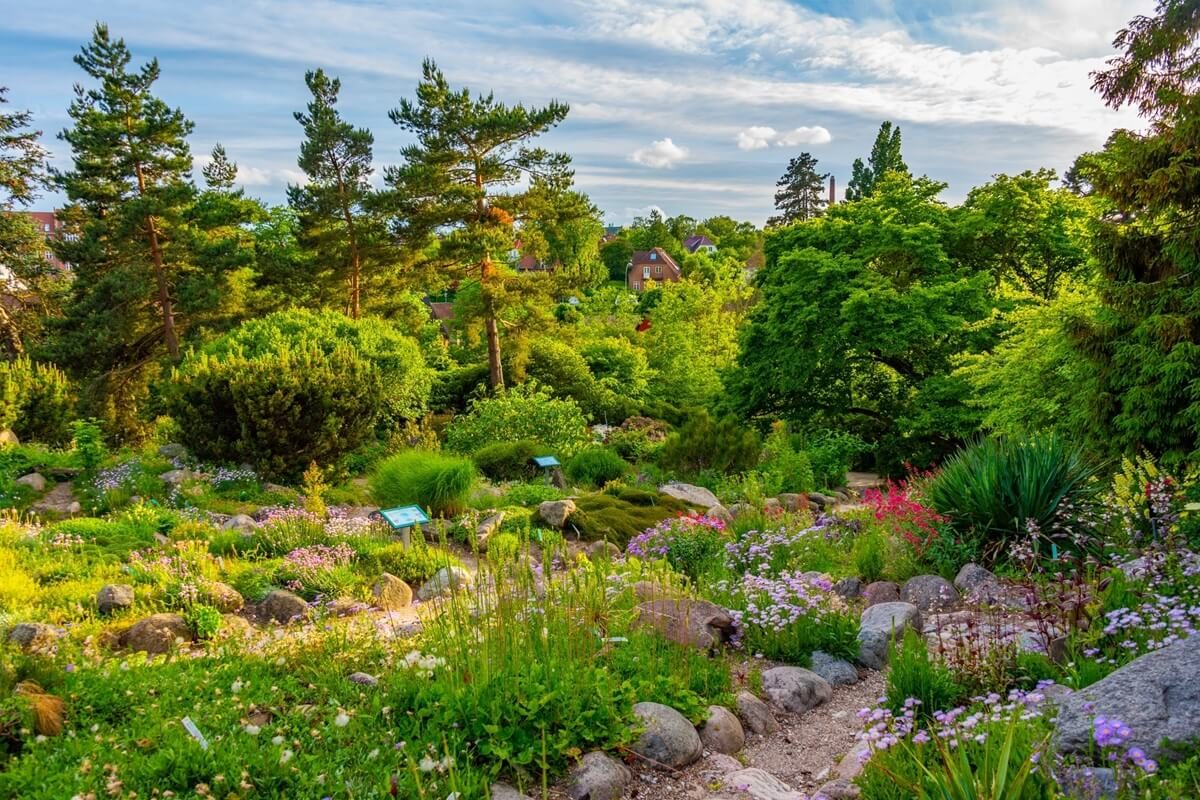
Botanická zahrada - místo, kde se zpomalí čas.

Letecký pohled na Aarhus.

Den Gamle - krásné domy u řeky.


Getting to the port:
Cruise ships dock at the Port of Aarhus located at: Balticagade 10‑12E, 1st floor, 8000 Aarhus, Denmark.
Cruises to Aarhus:
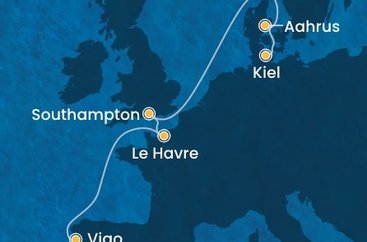
Portugal, Spain, France, United Kingdom, Denmark, Germany from Leixoes (Porto) na lodi Costa Diadema
| Ship: | Costa Diadema |
|---|---|
| Route: | Portugal, Spain, France, United Kingdom, Denmark, Germany |
| Embarkation: | Leixoes (Porto), Portugal |
| Disembarkation: | Kiel, Germany |
| Duration: | 8 nights |
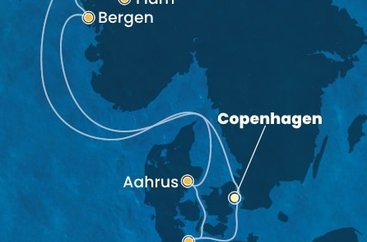
Denmark, Norway, Germany from Copenhagen na lodi Costa Diadema
| Ship: | Costa Diadema |
|---|---|
| Route: | Denmark, Norway, Germany |
| Embarkation and disembarkation: | Copenhagen, Denmark |
| Duration: | 7 nights |
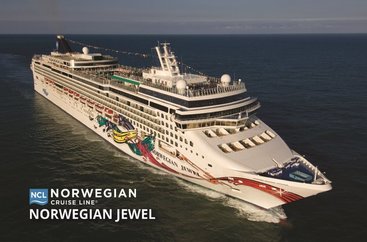
United Kingdom, France, Belgium, Netherlands, Norway, Denmark, Germany from Southampton na lodi Norwegian Jewel
| Ship: | Norwegian Jewel |
|---|---|
| Route: | United Kingdom, France, Belgium, Netherlands, Norway, Denmark, Germany |
| Embarkation: | Southampton, United Kingdom |
| Disembarkation: | Copenhagen, Denmark |
| Duration: | 9 nights |