

Sydney (Nova Scotia) / Canada
On the eastern coast of Canada, on Cape Breton Island in the province of Nova Scotia, lies the city of Sydney with a population of about 30,000.
Sydney was founded in 1785 by British settlers and was the capital of the island until 1820. At the beginning of the 20th century, the steel industry flourished in the area, and the city became home to the largest steel mill in the world, supplied by local coal mines. In the second half of the 20th century, both industries declined, and today tourism is an important economic activity in Sydney.
Sydney is the gateway to Cape Breton Island and the starting point for most visitors exploring the island. On the waterfront stands the Big Fiddle, a giant violin sculpture created in honor of local musicians. Sydney boasts historic wooden buildings, including the Cossit and Jost houses from 1787, where visitors can find museums on the history or marine life.
In Glace Bay, about 20 kilometers northwest of the city, stands the Cape Breton Miners' Museum, where visitors can learn more about the area's mining past. Next to the museum is a village where you can step back in time and visit a mining company store and a house from 1850-1900. Guided tours are also available, taking visitors into the coal mine beneath the museum.
About 35 kilometers southeast of the city lies Louisbourg with its namesake French fortress, built in the first half of the 18th century. The village of Baddeck, about 80 kilometers west of Sydney, is home to the Alexander Graham Bell Museum, dedicated to the local resident and inventor of the telephone.
Sydney is an excellent starting point for exploring Cape Breton Highlands National Park and the dramatic coastline where mountains meet the ocean. Its green forests, deep river canyons, and rugged reddish cliffs are home to a variety of plant and animal species, and encounters with moose or eagles are certainly not uncommon here. The ocean and the Gulf of St. Lawrence are home to whales.
The Cabot Trail is one of the most popular scenic routes in Canada. The winding road is 298 kilometers long and offers the best of the entire peninsula – stunning views, beautiful lakes, and picturesque fishing villages.
In the middle of the island lies the majestic Bras d'Or Lake, an inland sea with partially fresh, partially saltwater. The lake is a UNESCO-listed site and is home to lobsters and oysters, and eagles also inhabit its surroundings.
As for gastronomy, Sydney and the entire Cape Breton Island benefit from their location on the seashore, and no one should leave without tasting the freshest local fish and seafood.
Places Worth Seeing
Cossit House – Explore the house from 1787, one of the oldest on the island, and learn about the lives of people in the area as they were in the 18th century.
Big Fiddle – Stroll along the coast and admire the giant violin sculpture created in honor of Breton musicians.
Cape Breton Miners' Museum – Learn about the area's mining past at the museum in Glace Bay, visit the mining village, and descend directly into the coal mine with a guide.
Cabot Trail – Drive along the winding, 298-kilometer-long road offering stunning views, beautiful lakes, and picturesque fishing villages.
Cape Breton Highlands National Park – Lace up your boots and hike at least one of the many trails in the national park.
Fortress of Louisbourg – Don't miss a visit to the 18th-century French fortress and see historical weapons such as muskets or cannons.
Bras d'Or – Take a boat ride on the majestic lake with partially salt, partially freshwater, home to lobsters, oysters, and eagles.
Places worth seeing:

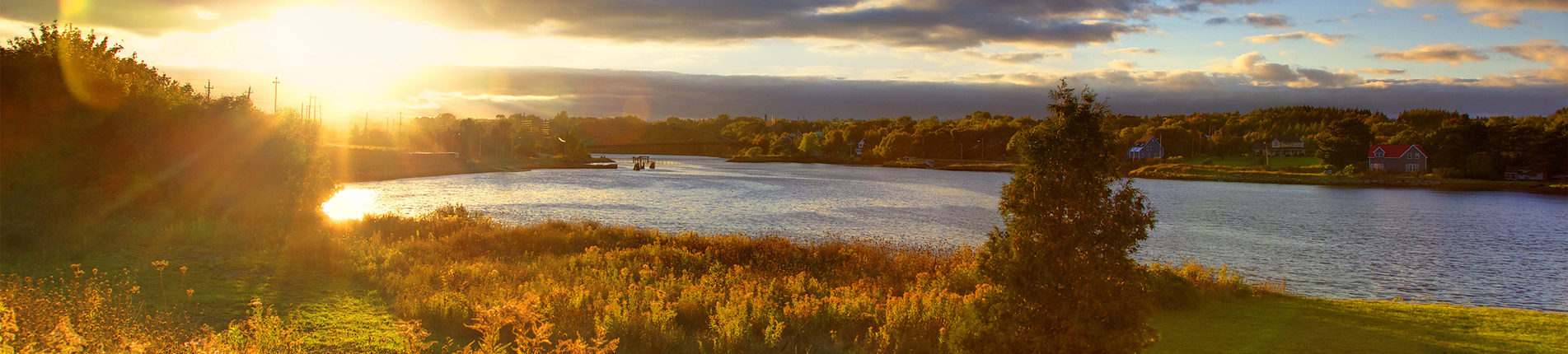
Krásný západ slunce nad řekou s podzimními stromy v popředí, Sydney, Nové Skotsko, Kanada

Příroda a doma v Sydney, Kanada

Maják střežící pobřeží Sydney, Nové Skotsko
Cruises to Sydney (Nova Scotia):
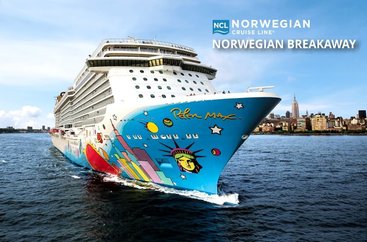
USA, Canada from Boston na lodi Norwegian Breakaway
| Ship: | Norwegian Breakaway |
|---|---|
| Route: | USA, Canada |
| Embarkation and disembarkation: | Boston, USA |
| Duration: | 7 nights |

USA, Canada from Cape Liberty (New Jersey) na lodi Independence of the Seas
| Ship: | Independence of the Seas |
|---|---|
| Route: | USA, Canada |
| Embarkation and disembarkation: | Cape Liberty (New Jersey), USA |
| Duration: | 9 nights |