


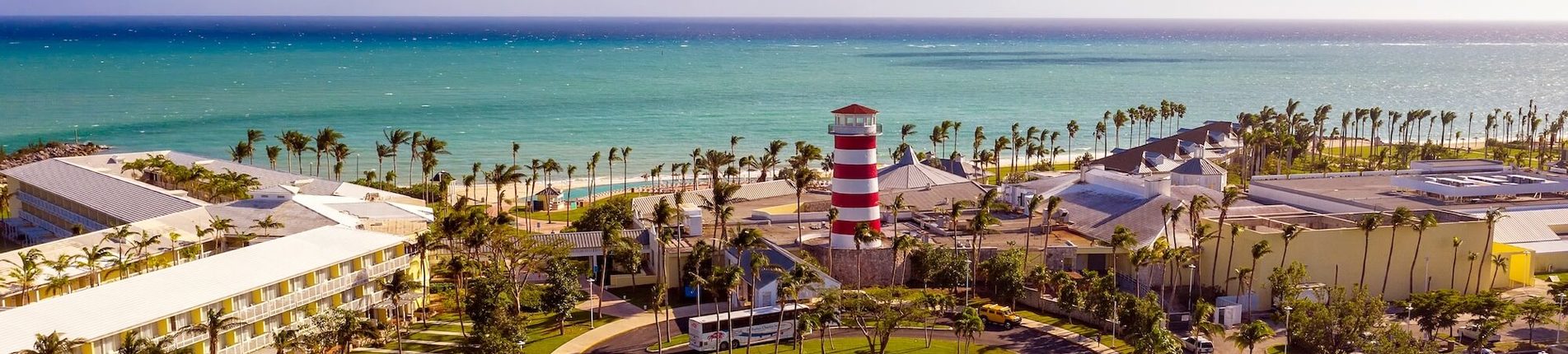
Freeport (Grand Bahama) / Bahamas
In the northwest of the Bahamas lies Freeport, the second largest city of the archipelago and a gateway to the natural beauty of Grand Bahama island. At first glance, it captivates with its turquoise sea, white sandy beaches, and relaxed island atmosphere, but there's much more than just lounging under palm trees. Around the city, you can explore coral reefs, mysterious underwater caves, and mangrove forests, while Port Lucaya attracts with colorful shops, restaurants, and the lively atmosphere of a port resort. Among the most beautiful places is Gold Rock Beach, where at low tide, the sea reveals wide stretches of light sand. Freeport is thus an ideal stop on Caribbean cruises, combining tropical nature, Bahamian culture, and unforgettable seaside experiences.
What to taste in Freeport?
Bahamian cuisine is primarily based on fresh fish, seafood, and the bold flavors of the Caribbean. A local specialty is the sea snail conch, prepared in many ways.
- Conch salad – a refreshing salad of raw sea snail meat, lime juice, tomatoes, onions, and peppers, often with a spicy pepper.
- Cracked conch – tender pieces of sea snail meat battered and fried to a golden brown, usually served with fries.
- Bahamian rock lobster – local lobster, most often grilled with butter, garlic, and spices.
- Peas n’ rice – a traditional side dish of rice, pigeon peas, tomatoes, and spices, accompanying fish and meat dishes.
- Guava duff – a popular Bahamian dessert made from dough filled with guava, served with a delicate sweet sauce.
- Sky juice – a typical Bahamian cocktail made from gin, coconut water, and sweetened condensed milk.
Why you'll love Freeport?
- Postcard-like beaches – Fine white sand, crystal-clear sea, and tranquil coves create the perfect setting for relaxation. Gold Rock Beach has a special charm, its appearance significantly changing with the tides.
- Natural wonders of Grand Bahama island – Lucayan National Park hides an extensive system of underwater caves, mangrove forests, and coastal ecosystems. The island also offers excellent conditions for snorkeling and diving on coral reefs.
- Relaxed Bahamian atmosphere – In the Port Lucaya area, colorful markets, local cuisine, music, and harbor promenades meet. Freeport retains a calmer character than the bustling capital Nassau.
Practical tips:
- Language: The official language is English. In everyday communication, Bahamian English with a distinctive local accent is also used.
- Currency: The currency is the Bahamian dollar (BSD), which has a fixed exchange rate of 1:1 with the US dollar. US dollars are commonly accepted, especially in tourist areas.
- Opening hours: Shops are usually open from Monday to Saturday, approximately from 9 AM to 5 or 6 PM. Tourist establishments may have longer opening hours, especially when cruise ships arrive.
- Public transport: Local minibuses known as *jitneys* operate on the island, but their routes and schedules may not be clear to visitors. Taxis or organized tours are more practical for traveling from the port to beaches and tourist attractions. Driving is on the left.
- Weather: Freeport has a warm subtropical climate. The most pleasant period is from December to April, when it's less humid and temperatures usually range from 22–27 °C. Summer is hot and humid, with more frequent showers; hurricane season lasts from June to November.
The most interesting from Freeport's history:
The history of Grand Bahama dates back to the time of the original inhabitants, the Lucayans, who inhabited the island before the arrival of Europeans. After Christopher Columbus arrived in the Bahamas in 1492, a period of Spanish expeditions followed, during which the original population was gradually taken away, leaving the island almost depopulated. In the following centuries, the surrounding waters also served smugglers and pirates, while the island's economic development progressed slowly. A significant turning point came in 1955, when American entrepreneur Wallace Groves signed the so-called Hawksbill Creek Agreement with the Bahamian government, allowing the creation of a large duty-free trade and industrial zone. Based on this, modern Freeport began to grow, with its port, industrial enterprises, and tourist infrastructure. After the Bahamas gained independence in 1973, the city continued to develop as an important commercial and tourist center. However, its modern history has also been significantly affected by devastating hurricanes, especially Dorian in 2019, which caused extensive damage on Grand Bahama island.
Useful information
Port map:
Places worth seeing:

Pláž Fortuna Beach na jižním pobřeží ostrova Grand Bahama okouzluje jemným bílým pískem, tyrkysovým mořem a poklidnou atmosférou. Díky pozvolnému vstupu do vody a dlouhému pásu písečného pobřeží je oblíbeným místem pro koupání i romantické procházky.

Port Lucaya patří k nejživějším turistickým oblastem ostrova Grand Bahama a láká barevnými budovami, přístavem s jachtami a příjemnou karibskou atmosférou. Oblíbené tržiště Port Lucaya Marketplace nabízí obchůdky se suvenýry, místní řemeslné výrobky, restaurace i tradiční bahamské speciality.

Pláž Lucaya Beach ve Freeportu láká jemným bílým pískem, průzračnou tyrkysovou vodou a výhledy na otevřený Atlantik. Patří k oblíbeným místům pro koupání, slunění i vodní sporty a nachází se nedaleko turistického centra Port Lucaya.


Getting to the port:
Cruise ships arrive at Freeport Harbour, located on the southwest coast of Grand Bahama Island, in a vast port and industrial area west of the city center. Freeport is one of the most important commercial ports in the Bahamas and, in addition to freight transport, also handles cruise ships. The port area includes facilities for passengers, souvenir shops, and dining options. Due to the port's location, transportation is necessary to visit tourist attractions. Popular Port Lucaya Marketplace, beaches, and other island attractions can be reached by taxi or organized transfer by the cruise line.
Cruises to Freeport:

USA, Bahamas na lodi Norwegian Dawn
| Ship: | Norwegian Dawn |
|---|---|
| Route: | USA, Bahamas |
| Embarkation and disembarkation: | Jacksonville, USA |
| Duration: | 4 nights |

USA, Bahamas from Tampa na lodi Celebrity Constellation
| Ship: | Celebrity Constellation |
|---|---|
| Route: | USA, Bahamas |
| Embarkation and disembarkation: | Tampa, USA |
| Duration: | 7 nights |

USA, Bahamas na lodi Norwegian Pearl
| Ship: | Norwegian Pearl |
|---|---|
| Route: | USA, Bahamas |
| Embarkation and disembarkation: | Philadelphia, USA |
| Duration: | 8 nights |