


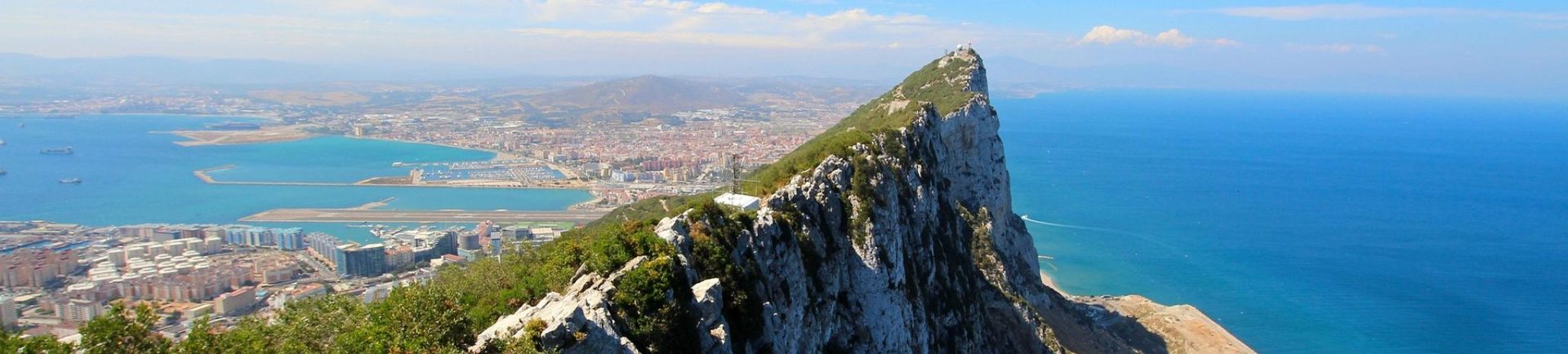
The Strait of Gibraltar – the legendary gateway between Europe and Africa
The Strait of Gibraltar is one of the most iconic places on our planet. It lies between the southwestern tip of Europe and North Africa, forming a natural boundary between Spain and Morocco.
Where is the Strait of Gibraltar?
Wondering where exactly the Strait of Gibraltar is located? The answer is simple: it stretches at the very south of the Iberian Peninsula. A rocky promontory juts towards the African continent, connecting the Atlantic Ocean with the Mediterranean. It is approximately 60 km long. Due to its location, it holds a key strategic position not only for maritime transport but also for cultural and political connections between two worlds.
The Pillars of Hercules – the myth of the strait's origin
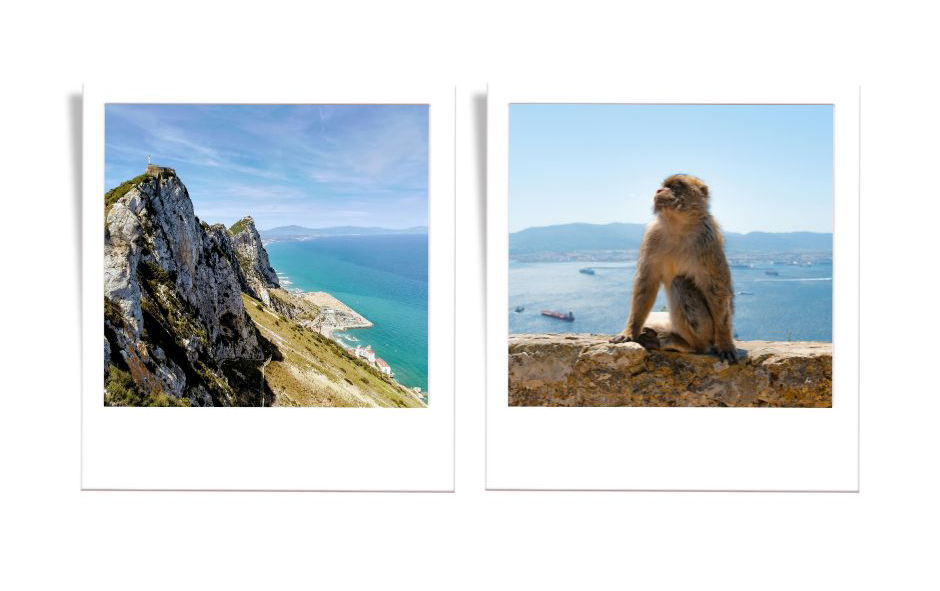
This area is not only geographically significant but also culturally and mythologically. According to ancient Greek and Roman myths, the Pillars of Hercules stood here – a pair of mountains symbolizing the boundary between the known and the unknown. On the European side stands the Rock of Gibraltar, on the African side the mountain Jebel Musa.
The legend tells that Hercules, while completing one of his twelve labors, encountered an impassable mountain. He decided to shatter it to continue, and thus (allegedly) the Strait of Gibraltar was formed. The story still reminds us of the courage to explore the unknown.
The Pillars of Hercules became a symbol of courage and adventure. A gateway between two worlds. They attract travelers and explorers from all over the world.
How (really) was the Strait of Gibraltar formed?
The geological origin of the strait is as fascinating as its mythical legend. About 5 million years ago, a dramatic change occurred between Europe and Africa: the then Mediterranean Sea was completely separated from the Atlantic and began to gradually evaporate, causing a sharp drop in sea level.
Then came the so-called Zanclean event – a massive breakthrough of ocean water into the parched sea bed. This colossal wave filled the Mediterranean with new water and forever changed the face of the entire area. The event had a significant impact not only on geography but also on climate and ecosystem development.
Width, depth, significance
Although it may appear as a narrow strip of water on the map, the Strait of Gibraltar reaches up to 44 kilometers at its widest point. However, at its narrowest point, it narrows to just 14 km, and it is here that intense animal migration, maritime transport, and military operations take place.
The depth of the strait varies between 300 and 900 meters, which is due to the complex underwater topography and the meeting place of two tectonic plates. The Mediterranean and the Atlantic connect here, influencing climate, ocean currents, and marine life.
Interesting facts about the Strait of Gibraltar
The strait is literally a treasure trove of fascinating facts:
-
The busiest European maritime route – over 100,000 ships pass through it annually.
-
Migration of marine mammals – whales and dolphins regularly travel through the area, despite facing heavy ship traffic.
-
Specific climate – a combination of African dry and European humid currents creates a unique microclimate.
-
Underwater archaeology – remains of ancient coastal settlements have been discovered in the depths.
-
Gibraltar Rock – an iconic formation with breathtaking views of both continents.
Sailing through the Strait of Gibraltar – tips for travelers
If you're looking for a truly unique experience, sailing through the Strait of Gibraltar is the right choice. Here you can see dolphins, watch the sunrise between continents, and experience a mix of cultures found nowhere else.
Tips for sailing:
- Don't forget binoculars. Bird and marine fauna watching is particularly interesting in the area.
- Ideal time? The best time for sailing is spring and autumn when the weather is pleasant and tourist traffic is lighter.
- Don't miss a visit to the city of Gibraltar, where you will find both British and Andalusian atmospheres, including exceptional restaurants, caves, and encounters with wild monkeys – the only ones in Europe.
Useful information: