


Acajutla / El Salvador
On the southwestern coast of Central America's El Salvador, Acajutla stretches along the Pacific Ocean coast. The city of the smallest state in Central America has just under 60,000 inhabitants.
In 1524, the area of today's El Salvador was conquered by Spanish conquistador Pedro de Alvarado, who defeated the indigenous population in the Battle of Acajutla. After the country's independence in 1838, the port began to grow rapidly, but in 1932, El Salvador experienced a rural uprising, and between 1980-92, even a civil war that affected Acajutla's oil refineries. Today, the city is the country's main port, specializing in the export of coffee, sugar, and Peruvian balsam, and is also one of the newest cruise destinations in the area.
Acajutla boasts beautiful beaches. Off the shores of the stunning Los Cobanos with white volcanic sand lies a coral reef over 150 kilometers long, popular with diving enthusiasts. Fishing enthusiasts will also feel like they're in paradise here, with the chance to catch the catch of a lifetime on a boat trip to the sea.
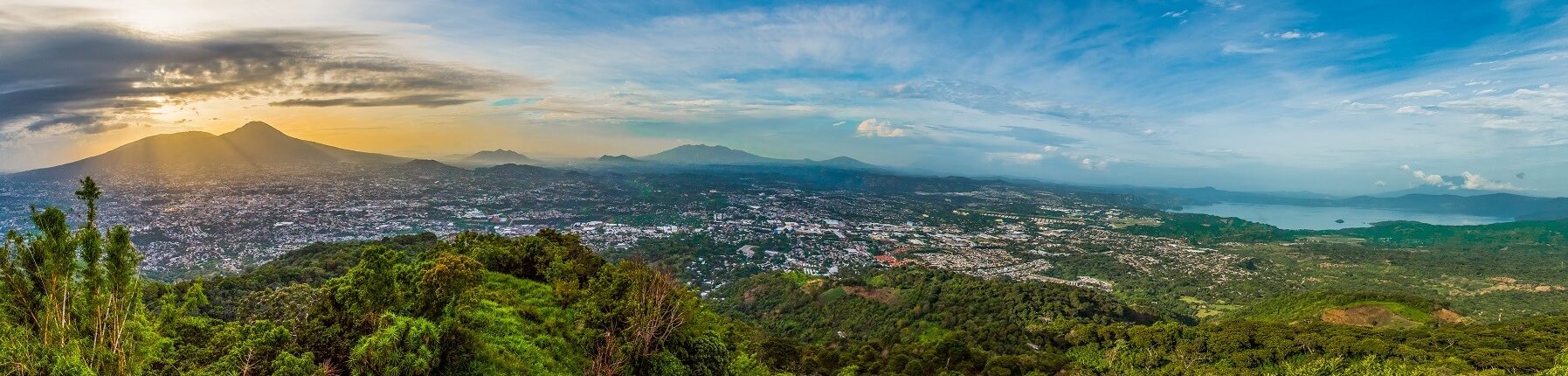
About 35 kilometers inland, the active Izalco volcano, sometimes nicknamed the "Lighthouse of the Pacific," rises to the sky. Those who want to stretch their legs in the tropical climate can climb to the top and look into its crater. Views of Izalco from a greater distance are offered by Cerro Verde National Park, about a 45-minute drive from the port. A walk to the inactive volcano at nearly 2,000 meters above sea level takes several hours, and the reward for the effort is breathtaking views—not only of Izalco but also of the active Ilamatepec volcano or the stunning Coatepeque Lake, nominated as the eighth wonder of the world.
History enthusiasts should not miss the ruins of the Mayan civilization Joya de Ceren. The remains of a small village buried in ash after a volcanic eruption in 200, often compared to Italy's Pompeii, were even listed as a UNESCO World Heritage site. The Tazumal ruins are the tallest ancient structure in El Salvador, dominated by a nearly 23-meter pyramid from around 1,500 BC, a national symbol of the country. Nearby stands the Casa Blanca Archaeological Park with the rounded El Trapiche pyramid, or San Andres with several smaller pyramids, a place where indigo was produced in the 17th century.
One of the newest attractions around the port is a walk in the branches of the Apaneca rainforest, where visitors can admire the richness of Central American jungle life. Wild boars, pumas, or eagles can also be spotted in the country's largest protected area, El Imposible National Park.
El Salvador is famous for its coffee, so it would be a mistake not to visit at least one of the plantations. The largest producer of this aromatic crop is the town of Ataco, offering a glimpse into the history of coffee production, ending, of course, with a tasting. Those interested in something stronger can try guaro sour, the national drink of the country, often consumed as a cocktail with fruit juice or soda.
Places Worth Seeing
Los Cobanos Beach – Relax on the long beach with white volcanic sand, lined with a beautiful coral reef beneath the crystal-clear sea.
Ataco – Visit El Salvador's coffee plantations, learn about the history of growing this popular beverage, and don't forget the tasting.
Apaneca – Walk high in the treetops and admire the vibrant life of the Central American rainforest.
Cerro Verde National Park – Stretch your legs with a climb to the extinct volcano and be enchanted by the amazing views of the surrounding volcanic landscape.
Joya de Ceren – Explore the Mayan ruins of a village buried at the beginning of our era under a layer of volcanic ash, now listed as a UNESCO World Heritage site.
Tazumal – Don't miss the tallest ancient structure and national symbol of El Salvador, a Mayan pyramid nearly 23 meters high.
El Imposible – Visit the country's largest protected area and keep your eyes open: you might even spot an elegant puma.