


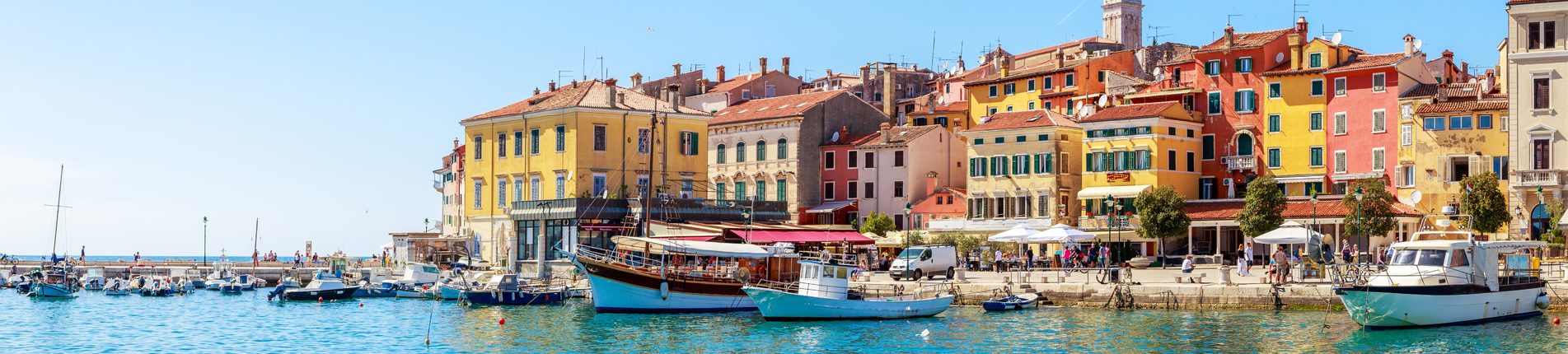
Rovinj / Croatia
On the western coast of Istria lies Rovinj, one of the most picturesque towns in Croatia on the coast of the Mediterranean Sea. The historic core is located on a small peninsula, surrounded by the sea on three sides. Narrow stone streets, pastel-colored house facades, and the dominant Church of St. Euphemia create the town's distinctive silhouette. Rovinj is thus among the most impressive places on the Istrian coast.
What to taste in Rovinj?
Gastronomy in Rovinj is based on simplicity, freshness, and a strong connection with the sea and the Istrian countryside.
- Black risotto (Crni rižot) – a distinctive seafood dish colored with cuttlefish ink, typical of the Adriatic coast.
- Istrian prosciutto – delicately dried ham with a full flavor, often served with olive oil and cheese.
- Fuži with sauce – traditional handmade pasta, most often served with meat or truffle sauce.
- Truffles from Istria – a renowned local specialty with a strong aroma, used in pasta, sauces, and other dishes.
- Fresh fish and seafood – daily caught ingredients from the Adriatic, prepared simply to highlight their natural taste.
- Istrian wines Malvazija and Teran – aromatic white and red wines that perfectly complement the local cuisine.
Why will you love Rovinj?
- Atmosphere of the old town – the historic core with the Church of St. Euphemia, narrow stone streets, and Venetian architecture creates an unmistakable character.
- Seaside life in full swing – the harbor with fishing boats, the promenade, and waterfront cafes give Rovinj an authentic Mediterranean atmosphere that invites walks and relaxation.
- Swimming and nature in the surroundings – Punta Corrente park and nearby bays offer clean sea, pine groves, and ideal conditions for relaxation by the water.
Practical tips:
- Official language: Croatian, English is commonly spoken, often Italian as well.
- Currency: Euro (EUR).
- Opening hours: Shops are usually open from around 9:00 to 21:00, often without a lunch break in the season. Monuments are accessible during the day, most often from 9:00 to 18:00. Restaurants operate all day, with dinner served mainly from 19:00 to late evening hours.
- Public transport: The historic center is a pedestrian zone, so movement is only possible on foot. Local buses and boat taxis to nearby bays and islands are available.
- Weather: Rovinj has a typical Mediterranean climate with hot and dry summers and mild winters. The main tourist season lasts from May to October, with temperatures ranging approximately between 25–32 °C, and the sea is ideal for swimming.
The most interesting from Rovinj's history:
Rovinj originally emerged as an island settlement, which was connected to the mainland in the 18th century by filling in a narrow strait. Its history dates back to antiquity, when there was a Roman settlement here, and it gradually developed into an important port and fishing center. For centuries, it was part of the Venetian Republic, whose influence is still evident in the architecture and atmosphere of the town. After its fall, it was under Habsburg and Italian administration before becoming part of Croatia after World War II. Thanks to its past and preserved historic core, Rovinj is among the most significant towns in Istria.
Useful information
Port map:
Places worth seeing:

Letecký pohled na historické centrum Rovinje při západu slunce zachycuje staré město rozkládající se na malém poloostrově obklopeném Jadranem. Dominantou panoramatu je kostel sv. Eufemie, jehož věž patří k nejvýraznějším symbolům města a nabízí výhled na celé istrijské pobřeží.

Kostel sv. Eufémie v Rovinji patří k nejvýraznějším dominantám historického centra a tyčí se na kopci nad starým městem. Barokní stavba z 18. století je známá svou vysokou zvonicí, která nabízí panoramatické výhledy na Jadran a okolní istrijské pobřeží.

Pohled na pobřeží a pláž v Rovinji zachycuje harmonii historického města a průzračného Jadranu v oblasti Istrie.


Getting to the port:
Cruise ships usually do not dock directly at the pier in Port of Rovinj, but anchor near the shore. Passengers are then transported to the city using smaller boats (tenders), which drop them off directly at the port near the historic center. This way, you find yourself just a few steps away from the old town, the promenade, and the main attractions, allowing you to immediately start exploring the atmosphere of Rovinj without the need for further transportation.
Cruises to Rovinj:
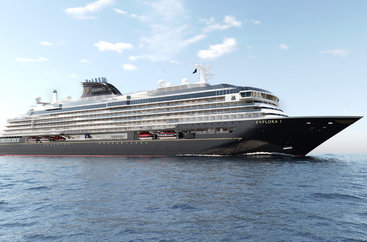
Greece, Montenegro, Croatia, Italy from Piraeus (Athens) na lodi Explora I
| Ship: | Explora I |
|---|---|
| Route: | Greece, Montenegro, Croatia, Italy |
| Embarkation: | Piraeus (Athens), Greece |
| Disembarkation: | Fusina, Italy |
| Duration: | 7 nights |
Greece, Montenegro, Italy, Croatia from Piraeus (Athens) na lodi Explora I
| Ship: | Explora I |
|---|---|
| Route: | Greece, Montenegro, Italy, Croatia |
| Embarkation: | Piraeus (Athens), Greece |
| Disembarkation: | Fusina, Italy |
| Duration: | 8 nights |