

Bristol / United Kingdom
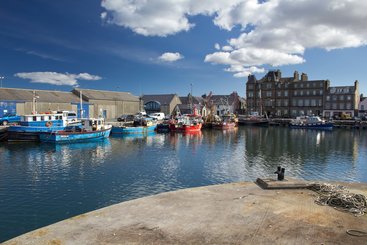
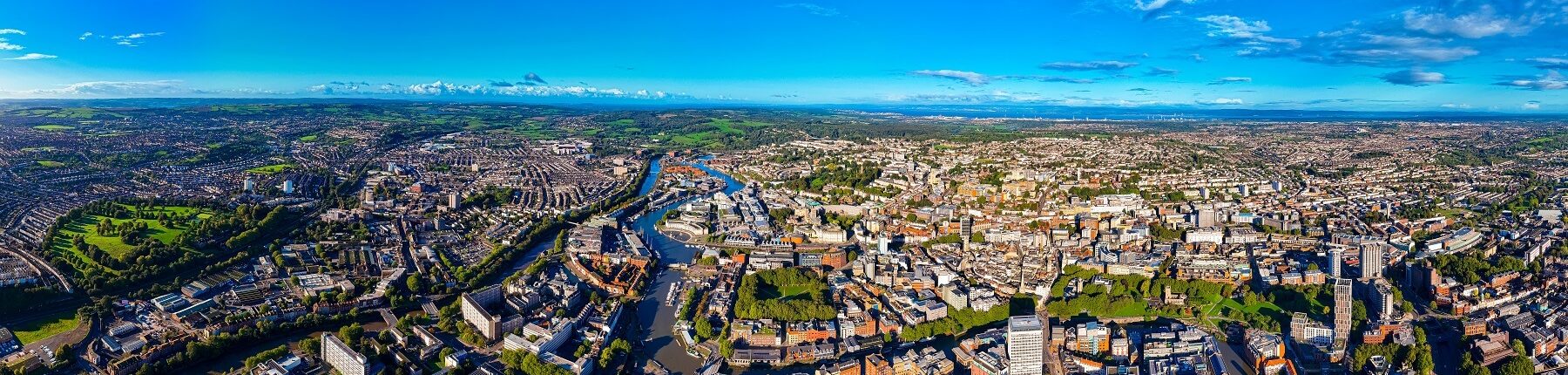
Bristol is located in the southwest of Great Britain on the River Avon, which has connected the city to the sea for centuries and significantly influenced its development. The once important trading and maritime port has gradually transformed into a vibrant cultural city, retaining its historic docks, industrial heritage, and distinctive maritime atmosphere. Bristol is also known for the engineering works of Isambard Kingdom Brunel, the elegant Georgian architecture of the Clifton district, and the contemporary art scene associated with the name Banksy. Its location makes it an interesting stop during cruises around Northern Europe and also a good starting point for exploring Southwest England.
What to taste in Bristol?
Bristol's gastronomy combines traditional English cuisine with a modern culinary scene and a strong tradition of local beers and ciders.
- West Country cider – Southwest England is one of the most important cider-producing regions in Britain, and a variety of local versions can be tasted in Bristol pubs.
- Cheddar cheese – The famous hard cheese originates from the nearby village of Cheddar in Somerset and is one of the region's most renowned gastronomic specialties.
- Pie and mash – A traditional British meat pie served with mashed potatoes and gravy is a classic in local pubs.
- Fish and chips – Fried fish in crispy batter with chips remains one of the most popular British dishes.
- Sunday roast – A traditional Sunday roast accompanied by roasted potatoes, vegetables, gravy, and often Yorkshire pudding.
- Local ale – Bristol has a long brewing tradition, and today there are many smaller breweries offering classic English beers and modern craft variants.
Why will you love Bristol?
- The harbor and the famous SS Great Britain – The historic Bristol Harbour is one of the most characteristic parts of the city. Its main attraction is the SS Great Britain, a revolutionary iron steamship designed by Isambard Kingdom Brunel and launched in 1843. Today, it is accessible to visitors right in the historic dry dock where it was built.
- Clifton Suspension Bridge and Georgian Clifton – The elegant Clifton Suspension Bridge spans high above the Avon Gorge and is one of Britain's most famous engineering landmarks. The bridge, designed by Brunel, was opened in 1864 and offers impressive views of the gorge and surrounding landscape. The nearby Clifton district attracts with Georgian houses, green squares, and pleasant streets with cafes and shops.
- Street art, Banksy, and unique culture – Bristol is one of the most important centers of British street art and is closely associated with the world-famous artist Banksy, whose several original works can still be seen directly on the streets. Former industrial districts and harbor warehouses have meanwhile transformed into galleries, cultural centers, restaurants, and creative spaces, giving the city a distinctly contemporary atmosphere.
Practical tips:
- Official language: English
- Currency: British Pound (GBP)
- Opening hours: Shops are usually open from around 9:00 to 18:00, with large shopping centers and supermarkets often open longer. On Sundays, opening hours are usually shorter.
- Public transport: Bristol has an extensive network of city buses and MetroBuses. The center, historic harbor, and Old Town can be easily explored on foot, and local ferries also offer an interesting way to travel between places around the harbor.
- Weather: Bristol has a mild oceanic climate. Summers are pleasant, winters are relatively mild, and rain can occur throughout the year, so a waterproof layer of clothing is useful.
The most interesting from Bristol's history:
Bristol originated as an Anglo-Saxon settlement Brycgstow, meaning "place by the bridge," and by the 11th century it was a significant trading port with contacts with Ireland and other parts of Britain. In the Middle Ages, it quickly grew wealthy thanks to maritime trade, and in 1373 it gained the status of a separate county. From Bristol, in 1497 John Cabot set sail on his famous voyage across the Atlantic, during which he reached the coast of North America. In the 17th and 18th centuries the city prospered significantly due to overseas trade, which included the transatlantic slave trade – a dark chapter that is now an important part of the city's historical remembrance. In the 19th century Bristol was influenced by engineer Isambard Kingdom Brunel, associated with the Great Western Railway, the ship SS Great Britain and the Clifton Suspension Bridge. During World War IIthe city suffered extensive damage from German bombing, which particularly affected the center and harbor areas. In the following decades, the old docks underwent extensive revitalization, and Bristol gradually transformed into a significant center of culture, media, technology, and creative industries.
Useful information
Port map:
Places worth seeing:

Bristolská katedrála a sousední Bristol Central Library tvoří výraznou dvojici staveb na náměstí College Green. Zatímco historie katedrály sahá až do 12. století, monumentální budova knihovny byla otevřena v roce 1906 a zaujme kombinací historizující a secesní architektury.

Letecký pohled na Queen Square ukazuje jedno z nejvýznamnějších georgiánských náměstí v centru Bristolu, založené na přelomu 17. a 18. století. Uprostřed zeleného prostranství stojí jezdecká socha Viléma III. z roku 1736 a náměstí obklopují elegantní historické domy.

Monumentální Wills Memorial Building patří k nejvýraznějším dominantám Bristolu a je součástí University of Bristol. Jeho 68 metrů vysoká novogotická věž byla dokončena v roce 1925 a z jejího vrcholu se otevírá panoramatický výhled na město.


Getting to the port:
Cruise ships arriving in Bristol use the Bristol Cruise Terminal at Royal Portbury Dock, approximately 16 km from the center of Bristol. Some transit ships may also dock at Avonmouth Docks. The port is located outside the center and is not intended for passengers to leave on foot; the most convenient connection to Bristol is by taxi or transportation provided as part of the cruise or organized tour. The main railway station Bristol Temple Meads is approximately 19 km from the cruise terminal. The port is also a suitable starting point for trips to Bath, the Cotswolds area, Cheddar Gorge or to Stonehenge.