

Lakselv / Norway
Lakselv is the largest village and administrative center of the Porsanger area. You can find it on the southern edge of the fjord of the same name in the northern tip of Norway. It is home to just under 2,500 residents. Despite the fact that the area lies further north than most settlements in Greenland, it enjoys surprisingly mild weather thanks to the influence of the Gulf Stream.
The Porsanger area has been inhabited since time immemorial. In the 18th century, people fleeing war and famine from neighboring Finland, today known as the Kven, began to settle around the fjord. During World War II, the German army built a number of fortresses in Porsanger, as well as an airport that you can still find here today, along with remnants of bunkers and other structures. In 1944, the then-residents were forcibly relocated south, and almost all buildings were burned by the Nazis in anticipation of a Russian invasion. After the war, the area was rebuilt with the help of the Marshall Plan.
In addition to history enthusiasts, sports fishermen, nature lovers, and hikers will also find plenty to enjoy here. The Stabbursdalen National Park, located just west of Lakselv, offers many opportunities for hiking. Established only in 1970, the park protects the world's northernmost pine forest, and here you can admire the typical landscape of northern Norway – rugged mountains, vast plateaus, the wild Stabburselva river, and beautiful waterfalls.
In the old school building in Skoganvarre, you will find a museum dedicated to the cultural history of the people of northern Norway. Its collection includes items related to fishing and agriculture, as well as war artifacts. Physical remnants of the war in a real environment lie just under 30 kilometers south of the village: Lasarettmoen are the ruins of the largest field hospital in the area from World War II.
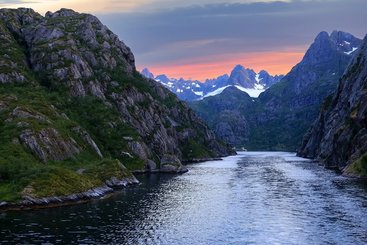
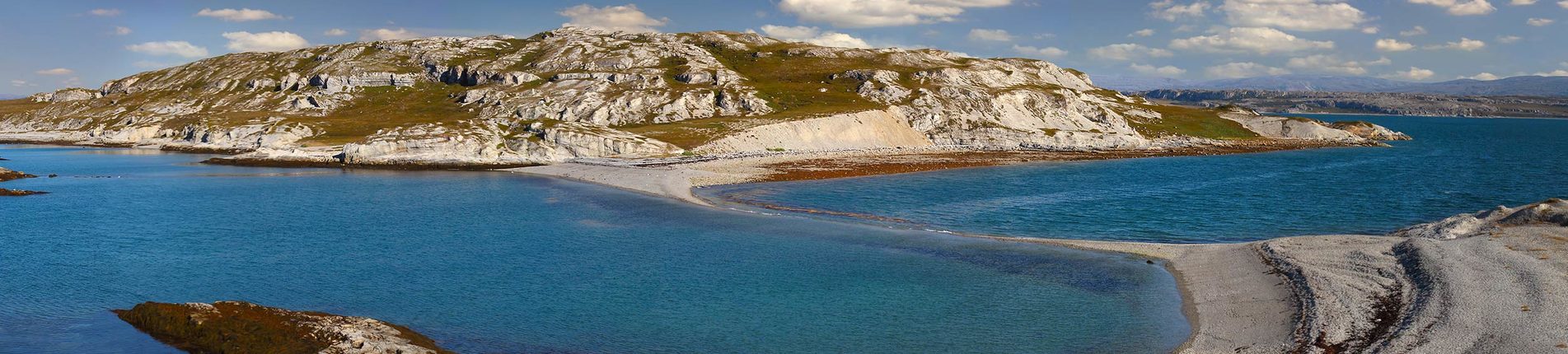
About 35 kilometers north of Lakselv is Trollholmsund, 700 million-year-old dolomite rocks. Legend has it that they are petrified trolls who once passed through here with gold and silver, unable to cross the fjord and caught by the dawn.
For most cruise ship passengers who dock in Lakselv, the village is the gateway to Karasjok, the commercial and cultural center of the Sámi. The history of the traditionally nomadic Sámi people dates back to 8,000 years ago, and their existence depends on reindeer herding, with which these people roam the landscape. The main attractions of Karasjok include the Sámi Parliament (Samediggi), a museum, and also the old church, which was the only one to survive the war. While you're here, look out for duodji, Sámi handicrafts that make a nice souvenir.
Places Worth Seeing
Trollholmsund – Take a walk to the 700 million-year-old dolomite rocks, which locals claim are petrified trolls.
Porsánggu Musea – Get acquainted with the cultural history of the people of northern Norway and the wartime past of Porsanger in the museum housed in the old school building.
Stabbursdalen nasjonalpark – Take a trip through the beautiful landscape of northern Norway with remnants of the world's northernmost pine forest and a place where the Sámi people graze their reindeer herds in the summer.
Silfat Canyon – Admire the beauty of crystal-clear water rushing over gray dolomite rocks in one of the largest canyons in northern Europe.
Karasjok – Don't miss a visit to the village of the nomadic Sámi people, see the church that was the only one to survive the war events, and buy some duodji, Sámi handicrafts.
Lasarettmoen – Visit the remnants of one of the largest Finnish field hospitals of World War II.
Places worth seeing:

Přírodní úkazy v Lakselv, Trollholmsund