


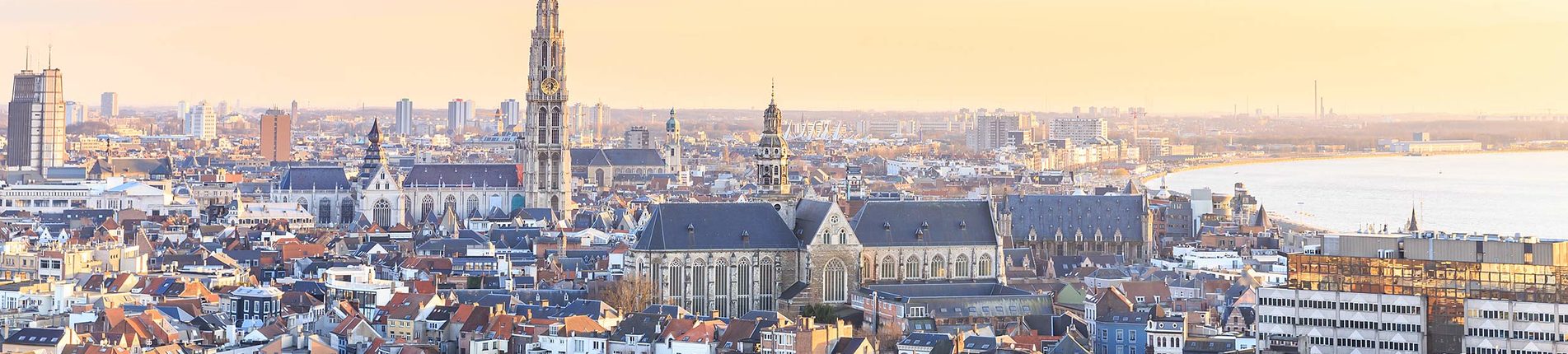
Antwerp / Belgium
Antwerp is located on the river Scheldt in the northern part of Belgium and for centuries has been one of the most important commercial and port cities in Europe. The wealth gained through international trade is still reflected today in the grand architecture of the historic center, dominated by Cathedral of Our Lady, the square Grote Markt with magnificent guild houses and a Renaissance town hall, or the medieval fortress Het Steen. The city is also inextricably linked with the painter Peter Paul Rubens, whose works can be admired in several places, and for centuries has been among the most important world centers of diamond trade. The historical heritage here naturally blends with modern architecture, fashion, and a vibrant cultural scene, creating one of the most interesting stops during cruises in Northern Europe.
What to taste in Antwerp?
Antwerp cuisine is based on traditional Flemish gastronomy, known for hearty meat dishes, fries, chocolate, and a long tradition of brewing beer.
- Antwerpse handjes – a typical Antwerp specialty in the shape of a hand, prepared as cookies or chocolate pralines. Its shape refers to the legend associated with the origin of the city's name.
- Stoofvlees – slowly stewed beef in dark Belgian beer, often served with fries.
- Mosselen-friet – mussels cooked most often with white wine, vegetables, and herbs, traditionally served with Belgian fries.
- Garnaalkroketten – crispy croquettes filled with a creamy mixture of small North Sea shrimp.
- Belgian fries – one of the symbols of local gastronomy, traditionally fried twice and served with various sauces.
- Belgian chocolate and pralines – Belgium is famous for its chocolate production, and in Antwerp, you will find many traditional chocolate shops.
Why you will love Antwerp?
- Flemish art and Rubens – Antwerp is inextricably linked with Peter Paul Rubens, one of the most important representatives of European Baroque. His paintings can be seen, for example, in Cathedral of Our Lady and other city collections.
- Historic center full of monumental architecture – the square Grote Markt, Renaissance town hall, richly decorated guild houses, Cathedral of Our Lady and fortress Het Steen remind of the period when Antwerp was one of the wealthiest commercial centers in Europe.
- Diamonds, fashion, and a modern city – the famous diamond district continues a centuries-long tradition of trading precious stones, while Antwerp's fashion scene and modern buildings, such as Museum aan de Stroom (MAS) or Port House, show the contemporary face of the city.
Practical tips:
- Official language: Antwerp is located in Flanders, so the official language is Dutch. In tourist services, you can usually communicate in English.
- Currency: Euro (EUR). Credit cards are widely accepted.
- Opening hours: Shops are usually open from about 10:00 to 18:00, some longer. Museums typically open around 10:00 and may be closed one day a week.
- Public transport: The historic center can be very well explored on foot. For longer distances, there is an extensive network of trams and buses operated by De Lijn. The main railway hub is the monumental station Antwerpen-Centraal, which itself is one of the city's architectural landmarks.
- Weather: Antwerp has a mild oceanic climate. Summers are pleasant, winters relatively mild, and rain is to be expected throughout the year.
The most interesting from the history of Antwerp:
Thanks to its strategic location on the river Scheldt Antwerp developed as an important commercial and port city already in the Middle Ages. Its golden age came in the 16th century, when it was one of the wealthiest commercial and financial centers in Europe, and at the same time, art, architecture, and printing flourished. Religious conflicts and the capture of the city by Spanish troops in 1585 led to the departure of many merchants and a gradual economic decline. In the 17th century, Antwerp remained an important cultural center, mainly associated with the work of the famous Baroque painter Peter Paul Rubens. A new boom came in the 19th century with the development of industry and the rapid expansion of the Antwerp port. Although the city suffered significant damage during World War II, in the post-war decades, the expansion of the port continued, which today, together with Bruges, forms one of the largest port complexes in Europe. The historic trading city has also transformed into a significant center of fashion, design, art, and the diamond industry.
Useful information
Port map:
Places worth seeing:

Monumentální nádraží Antwerpen-Centraal patří k nejkrásnějším železničním stanicím Evropy. Impozantní budova otevřená v roce 1905 zaujme především velkolepou vstupní halou s kamennou kupolí a bohatou výzdobou.

Gotická katedrála Panny Marie je nejvýraznější dominantou historického centra Antverp a její věž dosahuje výšky 123 metrů. V interiéru se nachází několik významných děl vlámského barokního malíře Petera Paula Rubense.

Náměstí Koningin Astridplein před hlavním nádražím patří k rušným místům v centru Antverp. Obklopují ho výrazné historické budovy a v jeho bezprostřední blízkosti se nachází také antverpská zoologická zahrada.


Getting to the port:
Cruise ships in Antwerp dock directly on the River Scheldt at the modern Antwerp Cruise Terminal, which is located at the historic fortress Het Steen in the very center of the city. Upon disembarking, passengers enter directly into the visitor center at Het Steen, and most of the main attractions of the historic center are conveniently accessible on foot from there. Just a few minutes' walk from the terminal lies the Grote Markt square, the Cathedral of Our Lady, and other significant sites of old Antwerp. For more distant parts of the city, trams, buses, or taxis can be used.
Cruises to Antwerp:
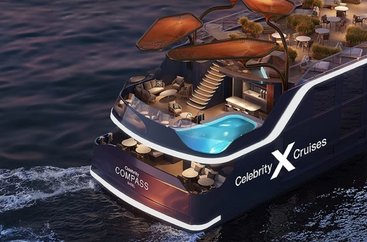
Netherlands, Belgium from Amsterdam na lodi Celebrity Compass
| Ship: | Celebrity Compass |
|---|---|
| Route: | Netherlands, Belgium |
| Embarkation: | Amsterdam, Netherlands |
| Disembarkation: | Brussels, Belgium |
| Duration: | 7 nights |