

Holkham Bay (Alaska) (scenic cruising) / USA
Off the southwestern coast of American Alaska lies Holkham Bay, known in the language of the indigenous people, the Tlingit tribe, as Sum Dum. The bay was discovered in 1794 by Royal Navy commander Joseph Whidbey and is named after the town of the same name in England.
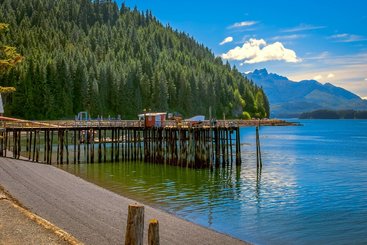
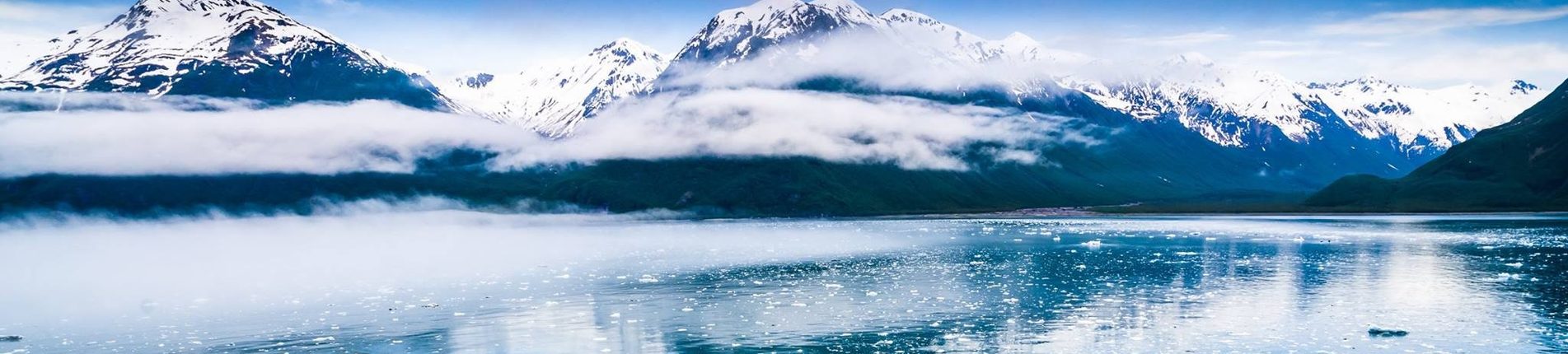
The bay, renowned for its stunning scenery, is particularly famous for its Tracy Arm. The fjord, located about 70 kilometers south of Juneau, Alaska's capital, is the heart of the wilderness known as Tracy Arm-Fords Terror Wilderness. The area, covering more than 2,500 square kilometers, includes two deep and narrow fjords – in addition to Tracy Arm, there's also Endicott Arm – both over 48 kilometers long and one-fifth covered in ice.
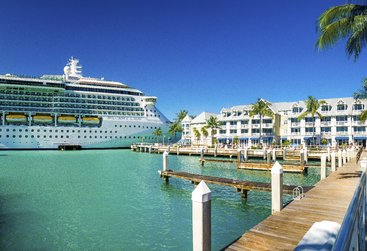
In the summer months, cruise ships venture into the area – mostly through the Stephens Passage channel – and for good reason: the surface of the beautiful fjords is dotted with icebergs of various shapes and sizes – from the size of a human hand to a multi-story building. They are sourced from the twin Sawyer Glaciers – North and South – at the end of Tracy Arm, which still serve as a reminder of the last ice age.
However, the glaciers descending into the sea and the icebergs are not the only attractions for cruise ship guests sailing through Holkham Bay and Tracy Arm. Besides the breathtaking scenery of the narrow fjord, from whose steep slopes several waterfalls cascade into the sea, there awaits a wilderness that is home to many animal species – from black and brown bears to deer, wolves, and seals, as well as a variety of birds including Arctic terns. With a bit of luck, mountain goats, which usually stay at higher altitudes, can also be spotted at the base of the glaciers. The cold waters of the fjords are also home to whales, so it's definitely worth keeping your eyes open.