


Copacabana / Brazil
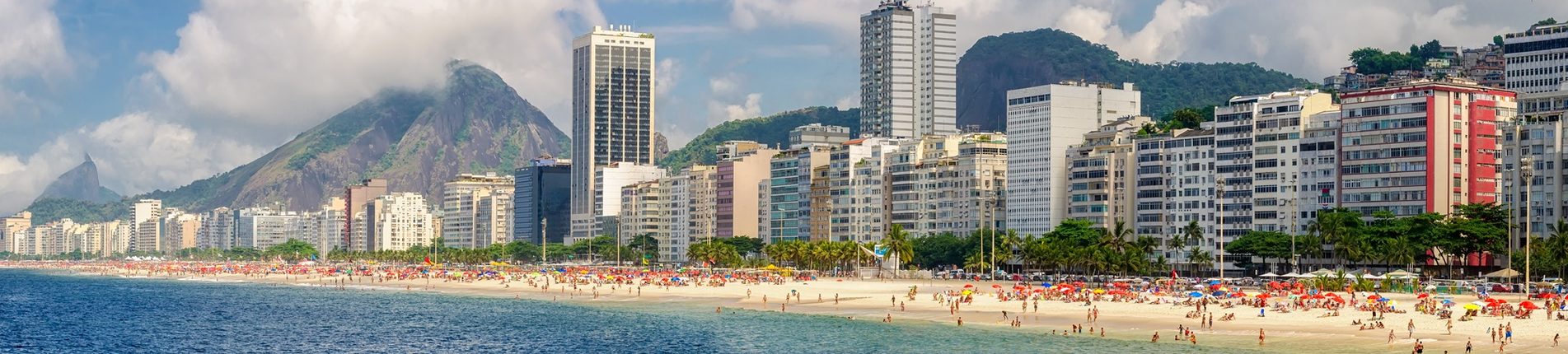
On the coast of Brazil lies the city of Rio de Janeiro, which includes the famous district of Copacabana, renowned for its namesake beach on the Atlantic Ocean coast. Copacabana is one of the most famous places in all of Brazil and annually attracts visitors from all over the world. Thanks to its location on the coast and proximity to the port in Rio de Janeiro, it is also a popular destination for travelers during cruise trips along the coast of South America.
What to taste in Copacabana?
In Copacabana, you can taste typical Brazilian cuisine, which combines influences from indigenous people, European colonizers, and African cultures. Local specialties include:
- Feijoada – a traditional Brazilian dish made from black beans and various types of meat, usually served with rice, farofa, and orange,
- Pão de queijo – small cheese bread made from tapioca flour, popular throughout Brazil and often served as a snack or breakfast,
- Moqueca – a dish of fish or seafood stewed with coconut milk, tomatoes, peppers, and other aromatic ingredients,
- Açaí – a thick cream made from açaí palm fruits, often served chilled with fruit, granola, or other ingredients in Rio de Janeiro,
- Caipirinha – the famous Brazilian cocktail made from cachaça, lime, sugar, and ice, which is inseparably linked with the Brazilian beach atmosphere.
Why will you love Copacabana ?
- Famous beach and iconic panorama of Rio de Janeiro – Copacabana offers several kilometers of sandy beach lined with a typical promenade with black and white mosaic paving. From the coast, there are beautiful views of the Atlantic Ocean and the surrounding hills and mountains.
- Lively Brazilian atmosphere, culture, and relaxation – Copacabana is a place where beach life blends with bustling streets, restaurants, cafes, and shops throughout the day. It is also popular for sports, evening walks, and experiencing the typical atmosphere of Rio de Janeiro.
Practical tips:
- Official language: Portuguese, in tourist areas, it is sometimes possible to communicate in English or Spanish.
- Currency: Brazilian real (BRL).
- Opening hours: Shops and restaurants are usually open from morning until evening, larger shopping centers often until late evening hours. Some restaurants and businesses in tourist areas are open even longer.
- Public transport: Rio de Janeiro has an extensive network of buses and metro. From Copacabana, it is possible to travel comfortably to other parts of the city, such as the historic center or main tourist attractions. Visitors often also use taxis or ride-sharing apps. From the port in Rio de Janeiro, it is possible to reach Copacabana in approximately 20–40 minutes, depending on the current traffic situation.
- Weather: Rio de Janeiro has a tropical to subtropical climate with warm summers and milder winters. Temperatures are pleasant most of the year, with the warmest period approximately from December to March. In the summer months, short but intense tropical showers may occur.
What to visit in Copacabana:
- Copacabana Beach – One of the most famous beaches in the world and a symbol of Rio de Janeiro. It offers several kilometers of sandy coastline, swimming, water sports, and the opportunity to relax with a view of the Atlantic Ocean.
- Copacabana Promenade – The famous coastal promenade with characteristic black and white mosaic paving, lined with palm trees, restaurants, cafes, and places to relax. It is ideal for walks, running, or observing local life.
- Forte de Copacabana – A historic fort at the southern end of the beach, offering an interesting insight into the military history of the city and beautiful views of the Copacabana coast and surrounding panorama.
- Pão de Açúcar – One of the most prominent natural landmarks of Rio de Janeiro. You can reach the top of the mountain by cable car, and from the viewpoints, there is an impressive panorama of the city, coast, and Atlantic Ocean.
- Cristo Redentor – The monumental statue of Christ the Redeemer on Corcovado Mountain is one of the most famous symbols of Rio de Janeiro. From its surroundings, there are panoramic views of the city, coast, and surrounding mountains.
- Ipanema – The famous neighboring district and beach, known for its lively atmosphere, cafes, restaurants, and beautiful views of the coastal mountains. It is easily accessible from Copacabana on foot or by public transport.
- Rio de Janeiro Botanical Garden – An extensive botanical garden with a rich collection of tropical plants, palms, and other species, offering a pleasant place to relax away from the bustling city center.
- Amazon Rainforest – The surroundings of Manaus offer the possibility of trips into the rainforest, river cruises, visits to indigenous communities, and observing exotic animals in their natural environment.
The most interesting from the history of Copacabana:
The area of today's Copacabana was long a remote part of Brazil's coast, separated from other parts of Rio de Janeiro by hills and difficult-to-access terrain. The significance of the area began to grow significantly at the turn of the 19th and 20th centuries, when Copacabana was gradually connected to other parts of the city and began to develop as a residential and tourist area. The construction of hotels, residential buildings, and the coastal promenade gradually transformed the originally sparsely built coast into one of the most famous districts of Rio de Janeiro. In the 20th century, Copacabana became a symbol of Brazilian beach life and one of the most sought-after places on the coast of South America. Its famous beach, promenade, and characteristic panorama are now iconic images of Rio de Janeiro and all of Brazil.
Useful information
Port map:
Places worth seeing:

Slunečná pláž Copacabana v Rio de Janeiru.

Pobřeží Copacabany z výšky.

Copacabana obklopená zelenými kopci.
Getting to the port:
Large cruise ships dock at the Porto do Rio de Janeiro located at: Av. Rodrigues Alves, 10 - Saúde, Rio de Janeiro - RJ, 20081-250, Brazil. From the port, visitors can continue to Copacabana by taxi, shared, or public transportation.


