


Akita (Honshu) / Japan
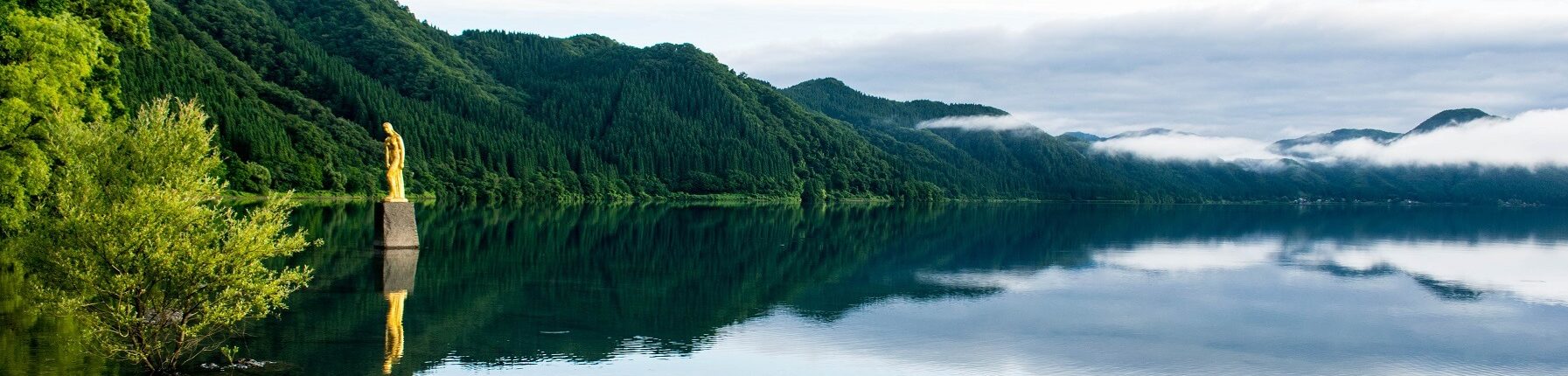
Akita, the capital of the prefecture of the same name in the northwest of Japan, lies on the coast of the Sea of Japan in the northern part of Honshu Island. Compared to bustling Japanese metropolises, it offers a calmer atmosphere, rich traditions, and beautiful nature that begins practically at the city's borders. One of the most prominent symbols of local culture is the magnificent summer festival Kantō Matsuri, whose tradition of more than 350 years is one of the most remarkable celebrations in northern Japan. Akita is also the starting point for Lake Tazawa, the samurai town Kakunodate or the Oga Peninsula, making it an interesting stop during cruises in the northern Pacific Ocean.
What to taste in Akita?
The Akita Prefecture is one of the most important rice-growing areas in Japan, which is significantly reflected in the local cuisine and the long tradition of sake production. The typical gastronomy is simple, hearty, and closely linked to local ingredients and the cooler climate of northern Honshu.
- Kiritanpo – one of Akita's most famous specialties. Cooked rice is mashed, shaped around a wooden stick, and grilled, then often served in a hot broth with chicken and vegetables.
- Kiritanpo nabe – a traditional hot dish in which grilled rice sticks kiritanpo are cooked together with chicken, mushrooms, and vegetables.
- Inaniwa udon – very thin, smooth noodles made in Akita Prefecture using a traditional hand-made method for several centuries.
- Hata-hata – a local sea fish typical of the Akita coast, prepared grilled, boiled, or pickled.
- Iburi-gakko – traditional pickled daikon radish, smoked over wood before pickling, giving it a characteristic smoky flavor.
- Sake – high-quality local rice and pure water have made Akita one of the significant areas for Japanese sake production, with many traditional breweries producing it here.
Why will you love Akita?
- Traditional Japan without the crowds – Akita offers samurai history, traditional festivals, sake, and local cuisine in a much calmer environment than the most visited parts of Japan.
- Beautiful nature – Lake Tazawa, the wild coast of the Oga Peninsula, mountain landscapes, and views from Mount Kampu show a completely different face of northern Honshu.
- Samurai and living traditions – the historic Kakunodate with preserved samurai residences and the famous Kantō Matsuri festival remind of the region's cultural heritage, which is still a natural part of local life.
Practical tips:
- Official language: Japanese. In tourist places, you can find English signs and basic information in English, but its common knowledge is more limited than in large Japanese cities.
- Currency: Japanese yen (JPY)
- Opening hours: shops are usually open from about 10:00 to 20:00, restaurants have individual opening hours, and some close between lunch and dinner. Museums, gardens, and historical sites usually close between 16:00 and 17:00, and some are closed one day a week.
- Public transport: the main transport hub is Akita Station, from where local and long-distance trains and buses depart. The center can be partially explored on foot, and for more distant places, it is advisable to use a bus or taxi. For trips to the region, you can use the railway, for example, towards Lake Tazawa and Kakunodate.
- Weather: Akita has distinct four seasons. Summers are warm and humid, spring and autumn are pleasant, and the landscape is particularly impressive during these periods. Winters are cold and very snowy, as the area is on the side of Honshu facing the Sea of Japan.
The most interesting from Akita's history:
The area of today's Akita was inhabited as early as prehistoric times, but its significance increased significantly in the 8th century, when the imperial government built administrative and military bases here while expanding its influence to northern Honshu. In 733 the Akita-jō fortress was established, becoming an important center of the area. A new era began at the beginning of the 17th century, when the powerful samurai clan Satake settled here after the rise of the Tokugawa shogunate. Its seat became Kubota Castle, around which a castle town and the predecessor of today's Akita grew. The modernizing city was hit by a large fire in 1886 , but a quick recovery followed, and further development was also supported by oil extraction in the region. At the very end of World War II , Akita was bombed due to its oil facilities. The post-war city gradually developed into an industrial, administrative, and cultural center of northwestern Honshu, yet the region retained strong local traditions. Their most famous symbol is Kantō Matsuri, during which participants balance on their bodies several meters high bamboo structures adorned with dozens of glowing lanterns.
Useful information
Port map:
Places worth seeing:

Červená brána torii na břehu jezera Tazawa vytváří jednu z nejmalebnějších scenérií v okolí Akity. Jezero obklopené horami je nejhlubším jezerem Japonska a díky průzračné modré vodě patří k nejkrásnějším přírodním místům regionu.

Panoramatu přístavu Akita dominuje Port Tower Selion, jedna z nejvýraznějších moderních staveb města. Prosklená věž nabízí z vyhlídky ve výšce 100 metrů panoramatické pohledy na přístav, město i pobřeží Japonského moře.

Hrad Kubota byl na počátku 17. století vybudován jako sídlo mocného samurajského rodu Satake, který vládl oblasti Akity více než dvě století. Z původního hradu se dochovaly části opevnění a zrekonstruované stavby obklopené dnešním parkem Senshu.


Getting to the port:
Cruise ships in Akita dock at the Port of Akita, primarily at the Nakashima Wharf, where there is also a passenger terminal. The port is located in the northwestern part of the city, a few kilometers from its center. Nearby is the prominent landmark Port Tower Selion with a free observation deck at a height of 100 meters. During cruise ship stops, you can reach the center of Akita by shuttle service provided for passengers, or by taxi.
Cruises to Akita:
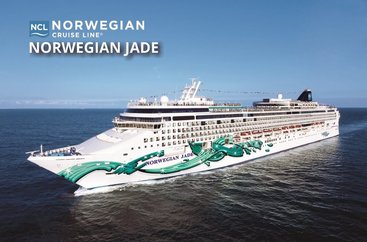
South Korea, Japan from Seoul aboard Norwegian Jade
| Ship: | Norwegian Jade |
|---|---|
| Route: | South Korea, Japan |
| Embarkation: | Seoul, South Korea |
| Disembarkation: | Tokyo, Japan |
| Duration: | 11 nights |